
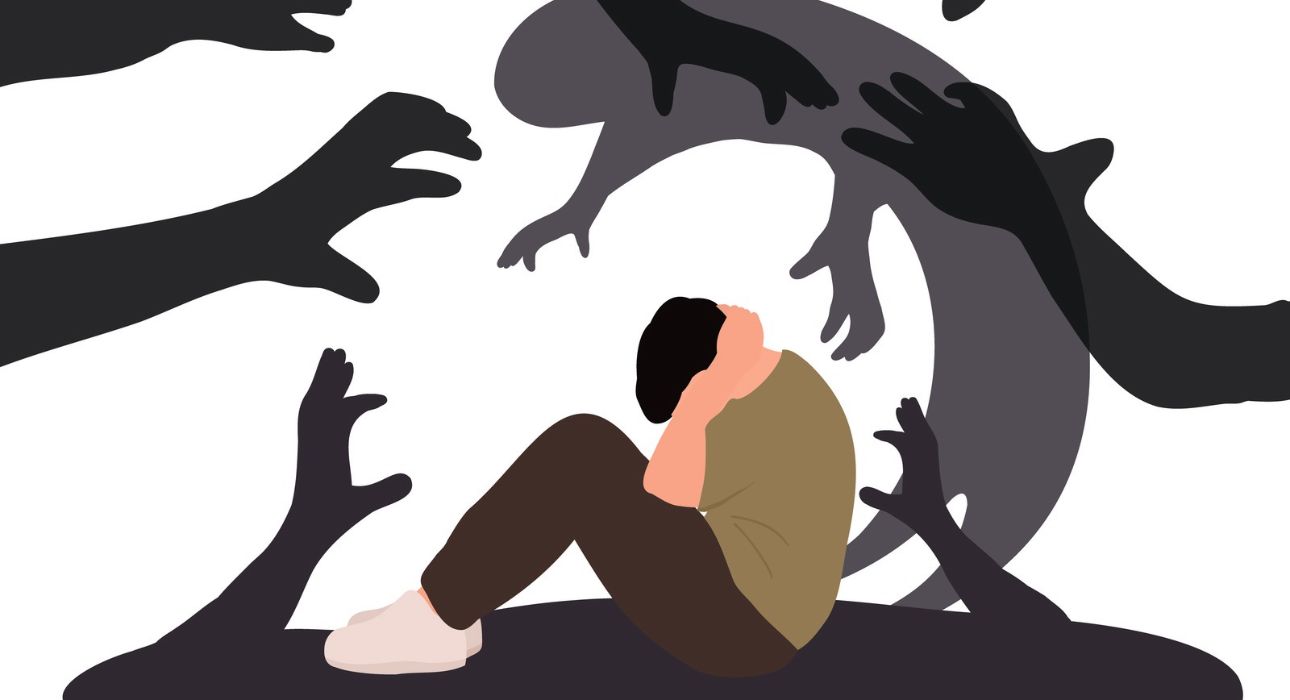
How does it feel to be afraid of being in a place where there are a lot of people, seeing a dog, or travelling by plane? Phobias turn common situations into scary and frightening experiences for individuals who experience them. Fear is an emotion people feel when they see something that poses a threat to them. Feeling nervous before an exam, being scared when meeting a dog, and experiencing fear when standing at a height are not necessarily phobias.
A phobia involves an irrational or excessive fear and anxiety in relation to the actual threat posed by a situation, often accompanied by avoidance that negatively influences an individual’s life (National Institute of Mental Health [NIMH], 2026). A specific phobia involves extreme fear or anxiety about a particular object or situation, including animals, heights, medical procedures, and flights. Fear of a particular stimulus may occur even when the threat is not immediately present. Research suggests that phobias may affect individuals’ day-to-day activities, education, work, and communication because of avoidance behaviours (Podila & Sultana, 2019; Wardenaar et al., 2017).
Difference Between Fear and Phobia
Fear refers to an emotion and response to the perception of a threat, helping the body prepare for action in response to danger. The level of fear generally decreases when the danger or situation subsides. For instance, feeling afraid during bad weather conditions, when encountering a dangerous animal, or just before taking a test can be a normal occurrence. Phobia, on the other hand, refers to fear or anxiety that is greater than what would be expected in relation to the actual danger, and it may persist even when the threat is minimal or absent.
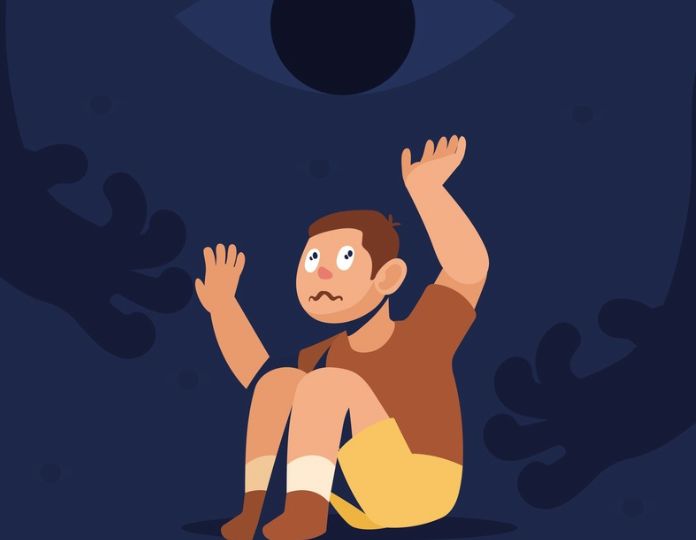
The main difference between phobia and ordinary fear lies in the severity of anxiety, the level of avoidance of the feared object or situation, and the impact on daily life. Individuals who experience phobias may react very strongly, physically and emotionally, to feared objects or situations and try to avoid them as much as possible. When avoidance begins to affect a person’s education, employment, relationships, or daily activities, the fear may indicate a phobic disorder rather than an ordinary fear (American Psychiatric Association [APA], 2022; Gadsden Regional Medical Centre, 2026).
Types of Phobias
According to the DSM-5-TR, specific phobia, social anxiety disorder, and agoraphobia are distinct anxiety-related disorders (APA, 2022). Although all three involve fear and anxiety, the nature of the situations or objects that trigger these emotions differs.
| Type | What it involves | Simple example |
| Specific Phobia | Marked and persistent fear or anxiety about particular objects or situations, such as animals, heights, injections, or flying (APA, 2022). | Someone fears dogs intensely and tries to avoid places where dogs may be present. |
| Social Anxiety Disorder | Significant fear of social or performance situations because of concerns about being judged, embarrassed, or viewed negatively by others (APA, 2022). | A student is extremely afraid of giving a presentation in class and avoids doing so. |
| Agoraphobia | Fear or anxiety about situations in which escape might be difficult, or help might not be available, such as crowded environments, public transport, or being outside the home (APA, 2022). | A person avoids crowded buses because they fear being unable to leave if they experience anxiety. |
The key difference lies in the focus of the fear. Specific phobia involves anxiety about a particular object or situation, social anxiety disorder involves fear of social evaluation, and agoraphobia involves fear of situations in which escape or access to help may seem difficult (APA, 2022; Cleveland Clinic, 2023). These conditions are distinct diagnoses, and each can significantly affect an individual’s quality of life.
What Causes Phobias?
The development of phobias, including social anxiety disorder, can be attributed to a combination of biological, psychological, and environmental influences. The causes may differ from person to person, and in some cases, the exact cause may not be identifiable. Several factors can contribute to the development and maintenance of phobias:
- Traumatic or unpleasant experiences: An individual may develop a phobia after experiencing a frightening, humiliating, or embarrassing event. For example, a person who experiences a frightening incident while speaking in public may later develop anxiety about similar situations.
- Classical conditioning: A previously neutral situation can become associated with fear after an unpleasant experience. For example, an individual may begin associating classroom presentations with anxiety after experiencing embarrassment during one (Cincinnati Children’s, n.d.).
- Observational learning: People, especially children, may learn fearful responses by observing parents, caregivers, siblings, or peers displaying fear or anxious behaviours in particular situations.
- Repeated negative experiences: Repeated experiences of embarrassment, criticism, or anxiety may strengthen the association between a situation and fear, making the individual increasingly anxious about facing similar circumstances.
- Avoidance behaviour: Avoiding feared situations may provide temporary relief from anxiety. However, repeated avoidance can prevent individuals from learning that the situation may be manageable or less dangerous than they expect, thereby maintaining the fear (Mayo Clinic, 2023; Overcome, 2023).
- Biological and psychological vulnerability: Individual differences in temperament, anxiety sensitivity, and genetic vulnerability may influence how likely someone is to develop a phobia (Millsap et al., 2026).
However, not everyone who experiences a frightening event or observes fearful behaviour develops a phobia. The condition can arise through different combinations of experiences and individual vulnerabilities.
Risk Factors: Why Do Some People Have Phobias?
Several factors may increase the likelihood that a person will experience phobias. These include genetic vulnerability, temperament, previous experiences, and learning during childhood. Having a family member who experiences phobias may increase a person’s risk of developing fear-related disorders, suggesting that genetic and environmental influences can play a role (Millsap et al., 2026).
Being shy, highly cautious, or particularly sensitive to criticism may make some individuals more vulnerable to anxiety in social situations. Childhood experiences can also influence the development of fears, especially when children repeatedly observe fearful reactions in adults or peers. However, the presence of these risk factors does not necessarily mean that a person will develop a phobia.
How Phobias Influence Life
Phobias can be restrictive because they may make it difficult for individuals to carry out everyday activities. Social anxiety disorder, for example, may lead people to avoid conversations, presentations, meetings, parties, and interactions with unfamiliar people. These behaviours can affect educational and occupational performance because individuals may avoid attending classes, participating in classroom activities, giving presentations, or interacting with colleagues (Liberty House Recovery Center, 2025).
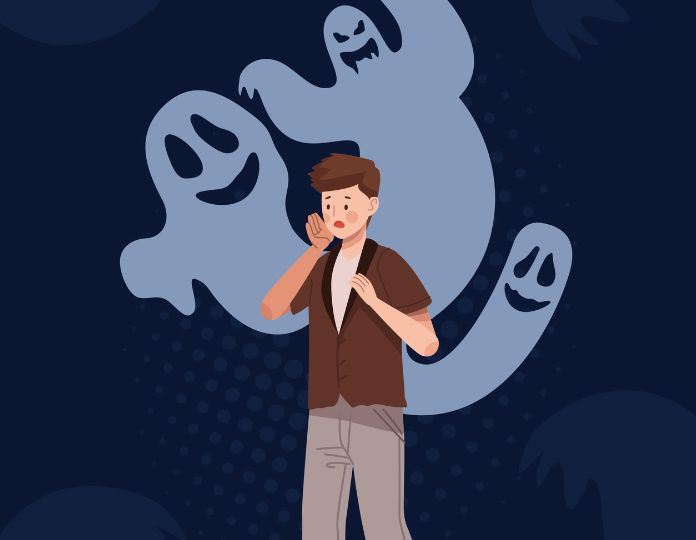
Phobias may also affect travel and independence when feared situations involve public transport, crowded places, or unfamiliar environments. Avoidance can interfere with relationships with friends, family members, and the wider community. Although avoidance may provide temporary relief, it can limit educational and career opportunities, social relationships, and personal development (Liberty House Recovery Centre, 2025; oVRcome, 2023).
Impact of Phobias on Daily Activities
Phobias can have a significant impact on daily activities because people may avoid circumstances that trigger fear and anxiety. Social anxiety disorder can lead individuals to refrain from conversations, presentations, meetings, social functions, and interactions with strangers. Such avoidance may negatively affect education and work, as individuals may skip classes, avoid discussions, miss presentations, or experience difficulties working with colleagues (Liberty House Recovery Centre, 2025).
Phobias can also restrict travel and independence when people fear public transport, crowded places, or unfamiliar environments. Avoidance may limit relationships and social activities because individuals can withdraw from events and interactions with friends. Although avoiding fear-inducing circumstances may provide short-term relief, it can reduce opportunities for education, work, socialisation, and personal growth (Liberty House Recovery Centre, 2025; oVRcome, 2023).
Diagnosis and Treatment: What Is Done with Phobias?
The diagnosis of a phobia involves a professional assessment of the nature and intensity of the fear, the duration of symptoms, avoidance behaviours, and the extent to which the fear affects the person’s ability to function normally. A clinician should also consider whether the symptoms may be better explained by another anxiety disorder or mental health condition. The DSM-5-TR provides diagnostic criteria that help distinguish phobias from ordinary fears and other anxiety disorders (APA, 2022).
The goal of treatment is to reduce fear and avoidance while improving quality of life. Exposure therapy is one of the most effective treatments for many phobias. It involves gradually and safely confronting feared situations under the guidance of a trained professional, helping individuals learn to manage their anxiety (Mayo Clinic, 2023).
Cognitive behavioural therapy (CBT) can also be effective in addressing negative thoughts and beliefs that contribute to fear. Systematic desensitisation and other psychological interventions may also be used. In some cases, medication may be considered to help manage particular anxiety symptoms, depending on the individual’s needs and professional assessment (Mayo Clinic, 2023).
Avoidance, Fear, and When to See a Professional for Help
Avoidance can maintain phobias and social anxiety by creating a cycle in which fear leads to avoidance, avoidance produces temporary relief, and the underlying fear remains or increases over time. Because avoidance immediately reduces anxiety, individuals may become more likely to avoid similar situations in the future. This process is an example of negative reinforcement (Mayo Clinic, 2023; oVRcome, 2023).
Avoidance can prevent people from discovering that the situations they fear may be less threatening or more manageable than they imagine. Professional help may be appropriate when fear is persistent, causes significant distress, leads to repeated avoidance, or interferes with education, work, relationships, or other aspects of daily life (Mayo Clinic, 2023; Liberty House Recovery Centre, 2025).
Conclusion
Phobias are not simply ordinary fears or signs of weakness. They involve excessive fear and anxiety that may lead to avoidance and interfere with daily life. Understanding the differences between ordinary fear, specific phobia, social anxiety disorder, and agoraphobia can help people recognise when their fear may require professional attention.
Phobias can develop through a combination of biological vulnerabilities, personal experiences, and environmental influences. Avoidance may reinforce fear over time, but appropriate treatment can help individuals manage their anxiety and regain confidence. Cognitive behavioural therapy and exposure therapy are effective treatment approaches for many phobias (Mayo Clinic, 2023). Reducing stigma is important because phobias are genuine psychological difficulties, not signs that someone is weak or overreacting.
References +
- American Psychiatric Association. (2022). Diagnostic and statistical manual of mental disorders (5th ed., text rev.; DSM-5-TR). American Psychiatric Association.
- Cincinnati Children’s. (n.d.). Phobias. Cincinnati Children’s.
- Cleveland Clinic. (2023). Phobias. Cleveland Clinic.
- Gadsden Regional Medical Centre. (2026). Fear vs. phobia. Gadsden Regional Medical Centre.
- Liberty House Recovery Centre. (2025, September 25). How phobias impact daily living. Liberty House Recovery Centre.
- Mayo Clinic. (2023, June 9). Specific phobias: Diagnosis and treatment. Mayo Clinic.
- Medical News Today. (2024, January 2). Everything you need to know about phobias. Medical News Today.
- Mental Health UK. (n.d.). Causes of phobias. Mental Health UK.
- Millsap, V., Hout, M. C., & Zsido, A. N. (2026). Facing fear: The science behind the development of phobias. Frontiers for Young Minds, 14, 1559505. Frontiers for Young Minds.
- National Institute of Mental Health. (2026). Social anxiety disorder: What you need to know. National Institute of Mental Health.
- oVRcome. (2023, September 21). The impact of phobias in daily life. oVRcome.
- Podila, K., & Sultana, N. (2019). [Source details should be added from the original article/database.]
- Wardenaar, K. J., Lim, C. C. W., Al-Hamzawi, A. O., Alonso, J., Andrade, L. H., Benjet, C., … de Jonge, P. (2017). The cross-national epidemiology of specific phobia in the World Mental Health Surveys. Psychological Medicine, 47(10), 1744–1760.