Alzheimer’s Disease: Understanding Its Impact, Causes, and Care Strategies
- by uPSYs Education
- April 7, 2026
Alzheimer’s disease is a neurological condition that has a major impact on the brain and its functioning. Cognitive abilities, including reasoning, problem-solving, and memory, deteriorate as a result of this type of dementia. Dr Alois Alzheimer first brought a patient of this disease into the public eye in the year 1907. The patient was a
The Role of the Hypothalamus in Stress Responses: Fight, Flight, or Freeze
- by uPSYs Education
- November 15, 2025
In our daily life, we encounter many stressful situations, be it environmental, such as work deadlines, family arguments or psychological problems, such as worrying about exams, losing a job. An event of stress leads to physical, behavioural, and psychological reactions by the human body. This article dives into the details of the stress response system
Understanding the Uses and Impact of Art Therapy
- by uPSYs Education
- July 5, 2025
In an increasingly fast-paced life and emotionally demanding world, people suffer more from stress, trauma, anxiety, and identity issues than ever. Talk therapies do work, but often for people who are sometimes not articulate enough to describe what they feel, the other routes can offer a much deeper healing experience. Creativity is that alternative. Art
Yerkes-Dodson Law
- by uPSYs Education
- March 4, 2025
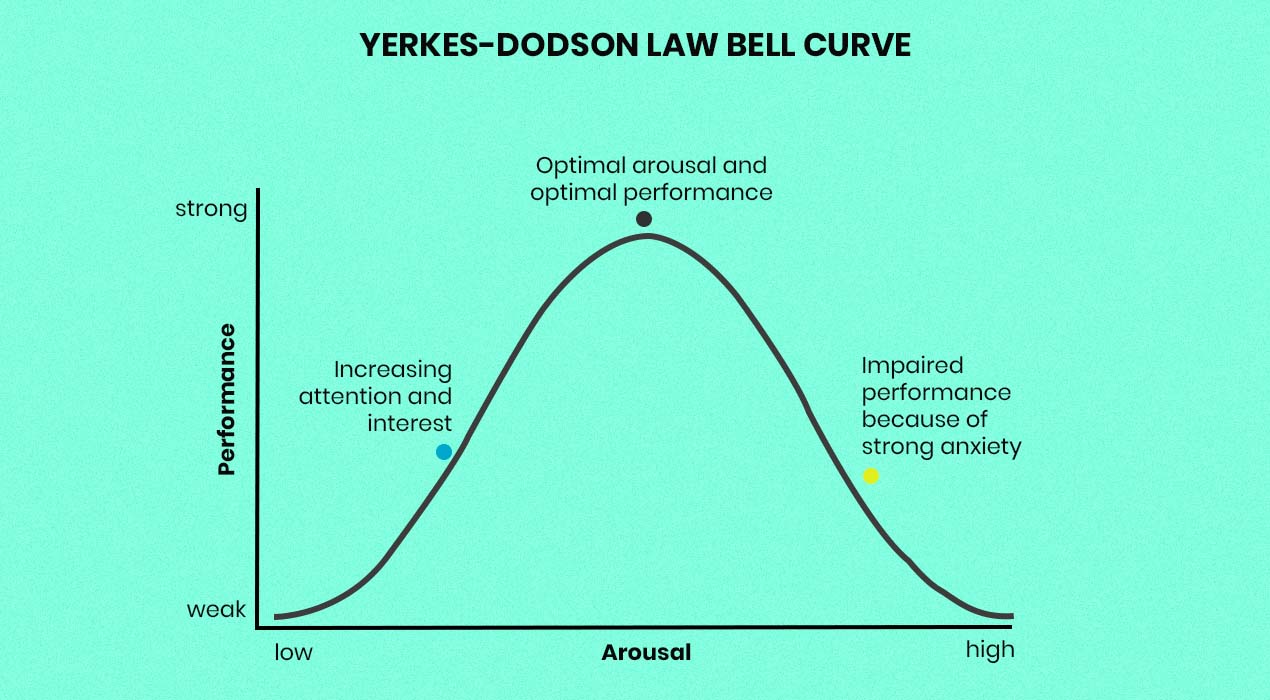
There must have been times when you were not able to perform at your best when the deadlines were too close, or you were not able to perform well in exams because you were too anxious about it. We also noticed that sportsmen and athletes performed better than their capabilities in certain competitions but underperformed
Aderaline Rush
- by uPSYs Education
- November 18, 2024
Adrenaline, also known as epinephrine, is a hormone secreted by the adrenal glands that helps prepare us to face stressful situations. When we encounter a stressor, adrenaline is quickly released into the body, creating what is often called an ‘adrenaline rush.’ This rapid stress response is the hidden mechanism behind what we know as the
The Five Stages of Sleep Deprivation
- by uPSYs Education
- September 27, 2024
Sleep is one of the most imperative biological needs for the restoration of both physical and mental well-being. It leads importantly to good cognitive functioning, such as learning and memory consolidation, emotional functions, emotional regulation, and even the repair of tissues and strengthening of the immune system. Sleep has been valued throughout history as necessary