Understanding Implicit and Explicit Memory
When someone forgets something what is probably another person might say is a popular phrase that goes “It’s like riding a bike; you

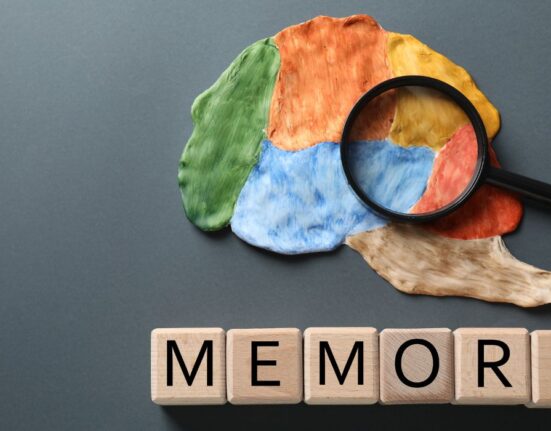
When someone forgets something what is probably another person might say is a popular phrase that goes “It’s like riding a bike; you
Imagine watching someone accidentally hurt themselves. Even though you are not physically affected, you may still feel a brief sense of discomfort or
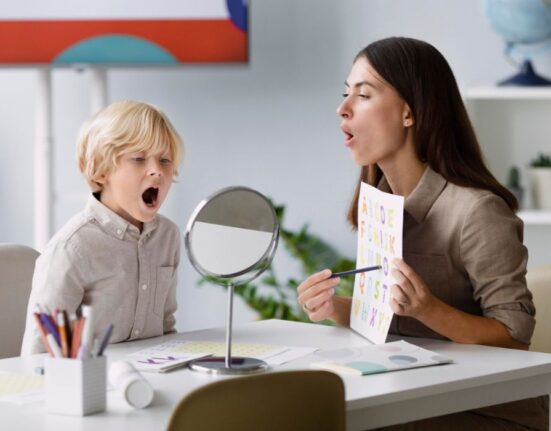
Imagine looking at a familiar face and knowing that you should recognise it, yet you are unable to identify who the person is.

Ever wondered whether the way family or caregivers behave with the patients leaves a lasting impact on the illness? Whether if its a
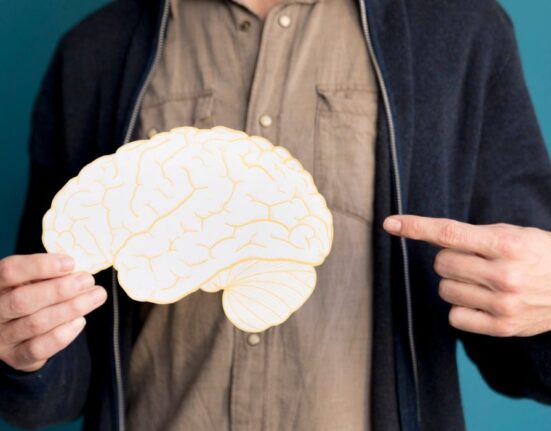
One of the most basic cognitive functions that shapes learning, adaptation, and interaction of individuals with the entire world is memory. In the
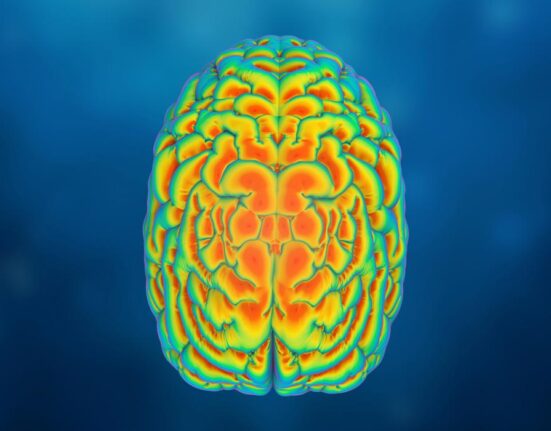
Think about your brain like a great city at night. Billions of neurons are in communication with each other, yet not all are

While reading a book passage, you suddenly realise that you do not understand it. Therefore, you pause, decide to re-read it and then

Have you ever walked into a place you have never visited before? Suddenly, you may feel as though you have been there already.
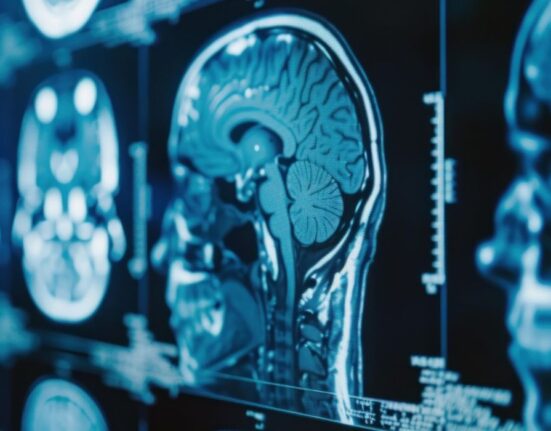
Is surgery possible for treating mental illnesses? This question appears as for many people this idea sounds very impractical. The expression of altering

Post-traumatic stress disorder (PTSD) was formally recognised by the American Psychiatric Association (APA) in 1980, but the suffering it describes is far older.