Clinical
Clinical History

The History of PTSD: From Shell Shock to DSM-5-TR

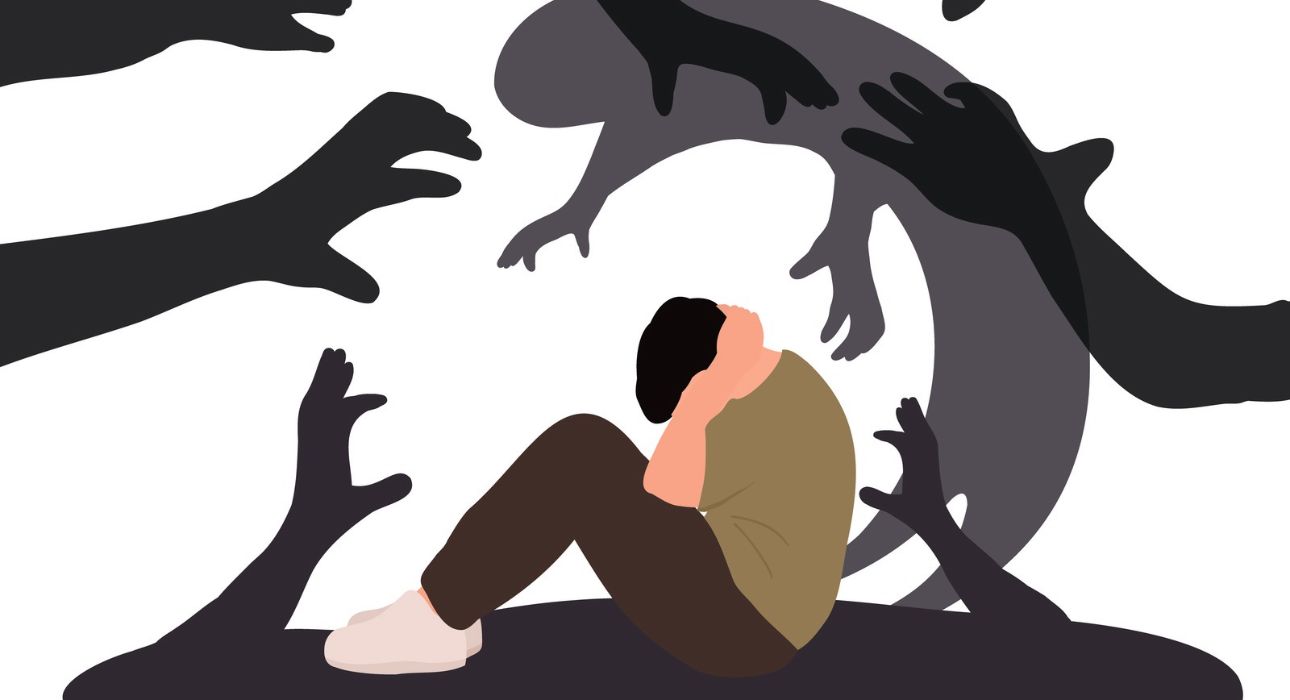
Post-traumatic stress disorder (PTSD) was formally recognised by the American Psychiatric Association (APA) in 1980, but the suffering it describes is far older. For more than a century, doctors saw the same pattern of symptoms in soldiers and civilians and gave it different names, usually blaming weakness, exhaustion or poor character rather than the traumatic

Read More
Clinical

Intermittent Explosive Disorder: Causes, Impact, and Treatment

Anger is a normal human emotion that can arise when a person feels frustrated, hurt, threatened, treated unfairly, or prevented from reaching a goal. It can range from mild irritation to intense frustration. Anger itself is not necessarily harmful: it can alert people that something is wrong and motivate them to set boundaries or address

Read More
Clinical Therapy

Egan’s Skilled Helper Model and the SOLER Skills, Explained

At some point in time, almost everyone faces emotional or physical pain that feels overwhelming. While some people manage these challenges on their own or confide in friends, family, or partners, others hesitate, fearing that opening up might strain their interpersonal relationships or feeling unable to find a clear path forward. This is where counselling

Read More
Clinical Health Psychology

Stereotypic Movement Disorder

A 13-year-old girl makes a facial contortion and fist clench at least 24 times per week when she’s at home. An 11-year-old boy’s hand flaps while he thinks and also holds his hands to his chest, waving his hands like claw fingers but isn’t aware he is doing it, and another 13-year-old girl shows a pattern

Read More
Clinical Health Psychology

Major Depressive Disorder vs. Persistent Depressive Disorder (Dysthymia)

Mood can be defined as a pervasive, sustained, and longer duration of feeling endured internally. It impacts the overall behaviour of an individual. Mood disorders are also known as affective disorders. One of the most essential features of mood disorders is the change in emotional levels, marked by relative disruption in emotional states. The distinguishing

Read More
Children Clinical Development

Neurodevelopmental Disorders in Children

Neurodevelopmental disorders are a group of disorders whose onset is in early childhood. They essentially impact and influence the development and functioning of the brain. These groups of disorders impact the child’s overall social interactions. They are associated with the impairment of growth and development of brain regions; they are complex in nature. “According to

Read More
Clinical

Aphanisis and the Changing Nature of Sexual Desire: A Psychological Perspective

Aphanisis was derived from a Greek term associated with disappearance or vanishing. The term was proposed by Psychoanalyst Ernest Jones in the 1920s while discussing the development of feminine sexual life. He suggested that the loss of sexual pleasure, a fearful experience, has great psychological significance, and he argued it could be even more fundamental

Read More
Clinical Cognitive

What is a Neuropsychological Assessment?

Have you ever wondered why someone has difficulty focusing or memorising something, be it in the numerical domain or linguistic domain, or planning everyday tasks? These difficulties can have many different reasons, but understanding them requires going beyond just the symptom. And this is where the Neuropsychological Assessments come into play. They help us understand

Read More
Clinical Emotion

Understanding Phobias: Types, Causes, and Treatment

How does it feel to be afraid of being in a place where there are a lot of people, seeing a dog, or travelling by plane? Phobias turn common situations into scary and frightening experiences for individuals who experience them. Fear is an emotion people feel when they see something that poses a threat to

Read More
Clinical Health

The Role of DSM and ICD Classification Systems in Mental Health Assessment and Treatment

Mental health assessment plays an important role in understanding psychological difficulties and identifying patterns of symptoms that may indicate a mental health condition. Because people can experience similar symptoms in different ways, mental health professionals need standardised systems that provide common terminology and criteria for describing and classifying disorders. Such systems can support clearer communication

Read More