
Mental health assessment plays an important role in understanding psychological difficulties and identifying patterns of symptoms that may indicate a mental health condition. Because people can experience similar symptoms in different ways, mental health professionals need standardised systems that provide common terminology and criteria for describing and classifying disorders. Such systems can support clearer communication among professionals, guide assessment, and contribute to research and clinical practice.
Two primary classification systems in mental health are the Diagnostic and Statistical Manual of Mental Disorders (DSM) and the International Classification of Diseases (ICD). The DSM, created by the American Psychiatric Association, offers diagnostic criteria and details for categorising mental disorders. The ICD, created by the World Health Organisation (WHO), is a global classification system that encompasses diseases and health conditions, including mental and behavioural disorders. Though the DSM and ICD evolved independently and have historically varied in multiple ways, their methods for describing mental disorders have grown more alike over time (American Psychological Association, 2009).
Although they share some similarities, the two systems still differ in how they are developed, their intended purposes, their organisational structures, and how they are used. Recognising these differences is crucial for both students and professionals studying psychological assessment and diagnosis. This article therefore examines the main distinctions between the DSM and ICD, covering their origins, intended purposes, classification methods, and functions in mental health evaluation.
Understanding Mental Health Classification
Mental health classification involves systematically grouping mental and behavioural disorders into established categories according to specific clinical characteristics and diagnostic standards. Systems like the International Classification of Diseases (ICD) and the Diagnostic and Statistical Manual of Mental Disorders (DSM) offer organised approaches for recognising and categorising various mental health disorders (Üstün & Ho, 2017).
Systematic classification is crucial, as mental health conditions often include intricate and overlapping patterns of thoughts, emotions, and behaviours. A common classification system enables clinicians to differentiate among various disorders and use diagnostic criteria in a more consistent manner. It also offers a shared language that enables mental health professionals to discuss patients, conditions, interventions, and outcomes (Üstün & Ho, 2017).

Classification is not the same as merely describing symptoms. A symptom description can pinpoint specific personal experiences, including ongoing sadness, anxiety, shifts in sleep patterns, or trouble focusing. A classification system groups patterns of symptoms and other clinical characteristics into established categories to aid in diagnosis. This structured approach aids in clinical decision-making and also offers a framework for understanding groups of individuals with comparable characteristics.
Beyond diagnosis, classification systems have several practical uses. They support communication among healthcare professionals, guide teaching and clinical practice, assist research by helping investigators identify comparable groups, and contribute to administrative and statistical purposes. However, classification systems reflect current scientific knowledge and remain subject to revision as understanding of mental disorders develops (Üstün & Ho, 2017).
What Is the DSM?
The DSM, a professional reference created and released by the American Psychiatric Association (APA), assists mental health professionals in diagnosing and categorising mental disorders. It offers standardised diagnostic criteria grounded in symptom patterns, how long they last, their intensity, and their effect on daily activities. Instead of merely listing symptoms, the DSM groups particular combinations of symptoms and clinical features into established diagnostic categories, aiding professionals in differentiating conditions that may look alike. It is typically employed by psychiatrists, psychologists, and other licensed healthcare providers as part of a comprehensive clinical evaluation, not as a means for self-diagnosis (American Psychiatric Association, 2022; Cleveland Clinic, 2022).
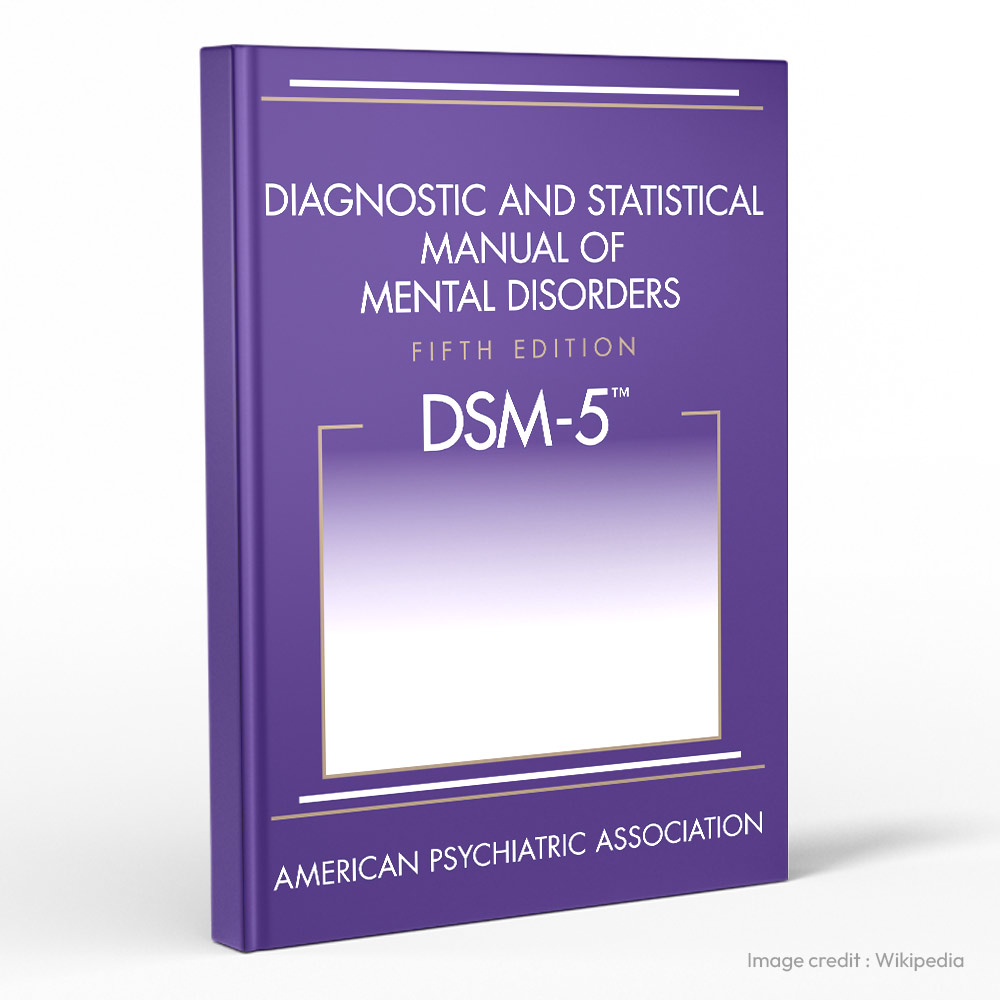
The current edition is the DSM-5-TR (Fifth Edition, Text Revision), released in 2022. It revised and updated the DSM-5, first published in 2013, by integrating new information, research references, and clearer diagnostic criteria. The DSM offers a common language for talking about mental disorders, aiding in diagnosis, facilitating communication among professionals, supporting education, and advancing research.
However, getting a diagnosis entails more than simply aligning one’s personal experiences with a list of symptoms. Before arriving at a clinical diagnosis, mental health professionals take into account an individual’s complete history, current circumstances, level of functioning, and any other potential explanations. Thus, the DSM functions as a structured guide within the broader context of professional assessment and clinical judgment (American Psychiatric Association, 2022).
What Is the ICD?
The International Classification of Diseases (ICD) is a worldwide system for categorising and documenting diseases, health conditions, and associated health data, created and updated by the World Health Organisation (WHO). While the DSM is limited to mental disorders, the ICD encompasses a wider range, including both physical and mental health conditions. It offers standardised categories and codes that enable healthcare professionals and systems to record, report, and compare health information consistently across countries and over time. The ICD also aids in clinical documentation, health statistics, research, service planning, and resource allocation.
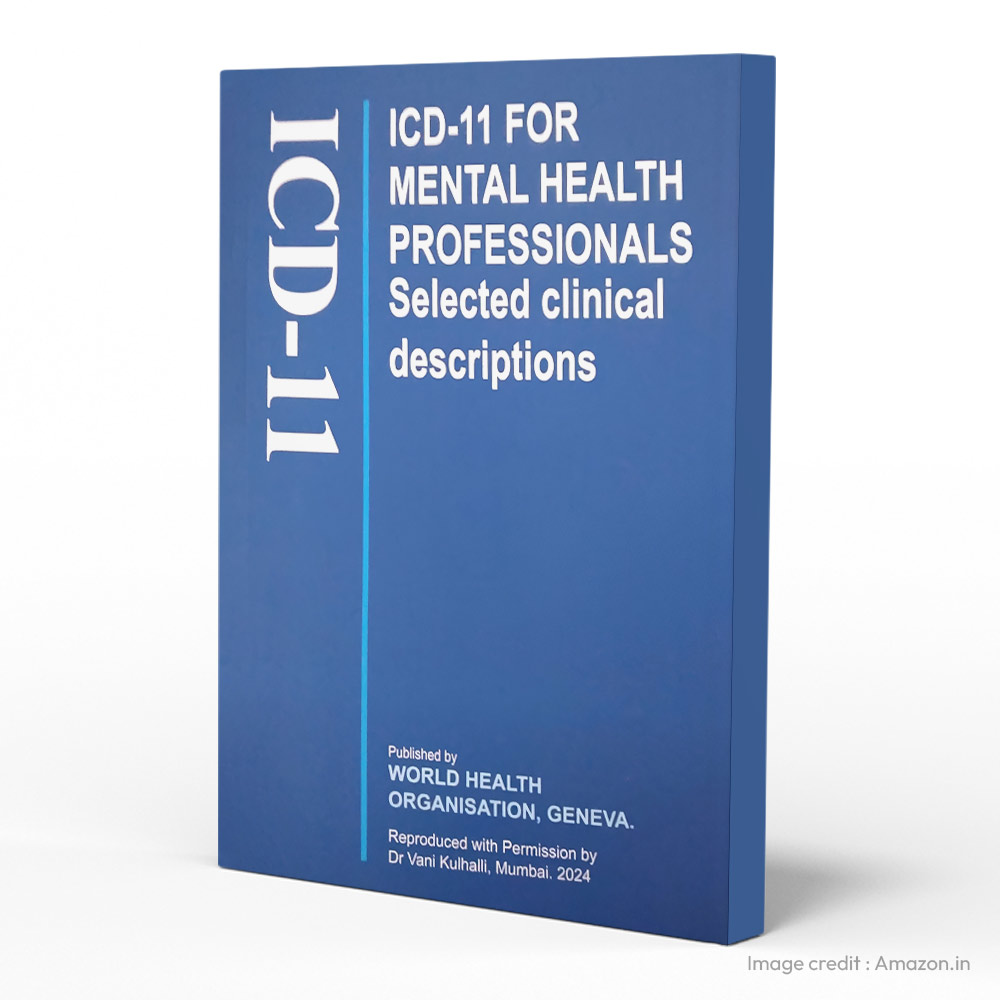
In ICD-11, mental health conditions are categorised under the chapter titled “Mental, Behavioural or Neurodevelopmental Disorders,” which encompasses conditions like mood disorders, anxiety and fear-related disorders, schizophrenia and other primary psychotic disorders, and obsessive-compulsive and related disorders.
The World Health Assembly adopted ICD-11 in 2019, and it became effective on January 1, 2022. By offering a unified system for categorising both physical and mental health conditions, the ICD enhances consistency in diagnosis, communication, data gathering, research, and public health planning globally (World Health Organisation, 2026).
DSM and ICD: Key Differences
The DSM and ICD are closely related systems for classifying and describing health conditions, yet they differ in scope, structure, development, terminology, and main objectives.
- Scope: The ICD is a broad classification system covering diseases, disorders, injuries, and other health conditions, including mental, behavioural, and neurodevelopmental disorders. The DSM focuses specifically on mental disorders.
- Developing organisation: The ICD is created and updated by the World Health Organisation (WHO), while the DSM is published by the American Psychiatric Association (APA).
- Primary purpose: The ICD is designed for international health classification, clinical documentation, health statistics, research, public health, and healthcare planning. The DSM primarily supports the identification and classification of mental disorders, professional communication, education, and research.
- Diagnostic criteria: The DSM provides detailed diagnostic criteria based on patterns of symptoms and associated clinical features. The ICD also provides classifications and diagnostic guidance within its broader health classification framework.
- International use: The ICD is intended as a global health classification system and is used internationally. The DSM is primarily developed for the classification of mental disorders and is widely used in clinical and academic settings.
- Relationship between the systems: Many DSM-5-TR diagnoses have corresponding ICD-11 classifications, allowing information to be cross-referenced between the two systems.
- Organisation and terminology: Although the two systems share considerable overlap, their terminology, organisation, and methods of describing disorders are not always identical.
- Updates: Both systems are periodically revised to incorporate developments in clinical knowledge and research.
Overall, the ICD provides a wider international framework for classifying health conditions, whereas the DSM provides a more focused framework specifically for mental disorders. Rather than being entirely separate or competing systems, they offer interconnected frameworks that support consistent communication, diagnosis, documentation, research, and healthcare planning.
Role in Mental Health Assessment
Mental health assessment is a systematic approach employed by clinicians to evaluate a person’s psychological challenges. It includes interviews covering symptoms, how long they last, how severe they are, and how they affect daily life, as well as personal, family, and medical background. Clinicians may also employ observation, mental status exams, questionnaires, psychological assessments, or medical investigations as needed (Pandey, 2026).

The collected information is evaluated against diagnostic criteria outlined in systems like the DSM-5-TR and ICD-11. Clinicians assess how symptoms impact functioning and apply differential diagnosis to evaluate whether comparable symptoms might stem from another mental disorder, a physical condition, medication, substance use, or other factors.
Therefore, mental health assessment is not simply matching symptoms to a checklist; it combines standardised criteria with professional judgment to develop an informed understanding of a person’s difficulties (American Psychiatric Association, 2022; World Health Organisation, 2026).
Role in Diagnosis and Treatment Planning
Systems like the DSM-5-TR and ICD-11 assist clinicians in structuring information about mental health disorders and facilitate diagnosis communication through a common professional terminology. A clear diagnosis can help summarise a person’s primary challenges, facilitate communication among healthcare providers, and offer a basis for evaluating suitable treatment and ongoing care (Tyrer, 2014).
Based on the individual’s condition and specific needs, a diagnosis can assist clinicians in evaluating psychological therapies, medication, referrals to other professionals or services, and methods for tracking symptoms and progress over time. Classification can also help professionals provide consistent care when multiple clinicians are involved in treatment.
However, a diagnosis does not automatically lead to one specific treatment approach. When creating a treatment plan, clinicians must take into account the person’s symptoms, medical history, current circumstances, personal preferences, level of functioning, and how they have responded to prior treatments. Tyrer (2014) also points out that psychiatric diagnoses often involve unclear boundaries and may necessitate clinical judgment, as many mental health conditions lack independent biological tests to confirm a diagnosis.
Thus, classification systems serve as helpful tools for organising clinical information and aiding treatment planning, yet they represent only one component of comprehensive clinical decision-making. Effective care requires integrating diagnostic criteria with professional judgment and continuous assessment of the individual’s needs and reaction to treatment.
Role in Research and Public Health
Classification systems are crucial in mental health research and public health because they offer standardised categories and definitions, enabling researchers to define study populations and compare results across various studies, regions, and time periods. Employing standard diagnostic categories enables researchers to gather and analyse data in a consistent manner, facilitating the examination of how often, where, and in what ways mental health conditions occur.
The ICD, developed by the World Health Organisation, is particularly important for epidemiological statistics and international health reporting because it provides a common system for recording health conditions across countries (Tyrer, 2014; World Health Organisation, 2026). Overall, standardised classification contributes to both scientific research and public health by creating a common framework for collecting, comparing, and reporting information about mental health conditions.
These data can assist governments and health organisations in grasping population-wide mental health needs, planning health services, setting priorities, and distributing resources like healthcare professionals, facilities, and funding. Standardised classification also helps track changes in how often disorders occur and assess the need for mental health services.
In research, the DSM and ICD offer common terminology that enhances communication among researchers and facilitates the comparison and replication of findings. However, classification systems arrange information rather than fully accounting for the causes or experiences of mental health conditions. Thus, their usefulness relies on precise evaluation, uniform usage, and proper interpretation of the data.
Limitations and Challenges
Systems like the DSM and ICD offer helpful structures for recognising and discussing mental health disorders, yet they also come with certain drawbacks. Overlapping diagnoses and the presence of multiple disorders can complicate classification, as an individual might satisfy the criteria for more than one condition, and various illnesses may present with comparable symptoms.
As research and clinical knowledge advance, clinicians may also revise diagnostic boundaries, showing that categories are not always fixed or absolute. Moreover, standardised categories might not adequately reflect individual variations, cultural backgrounds, or the distinctive ways people experience psychological challenges.
Critics also argue that excessive focus on diagnostic labels may lead clinicians to view people primarily through their disorder rather than as whole individuals, potentially contributing to stigma. Clinicians can therefore use classification effectively, but treating labels as complete explanations can create problems. The SlideShare material similarly notes that categorical systems may place people into available diagnostic “boxes” even when their experiences do not fit neatly within them (Narvekar, n.d.).
For these reasons, clinicians should use classification alongside detailed assessment, clinical judgment, and consideration of personal and social context. The DSM and ICD are valuable for providing standardised frameworks, but they cannot capture every aspect of a person’s mental health experience.
Conclusion
The DSM and ICD offer standardised systems for evaluating and categorising mental health disorders. They facilitate diagnosis, treatment planning, professional communication, research, and public health by establishing shared criteria and terminology. Nevertheless, they have limitations such as diagnostic overlap, cultural variations, stigma, and challenges in reflecting individual experiences. Thus, these systems should serve as reference tools rather than full accounts of a person’s mental health. Providing effective care involves integrating classification with personalised, culturally sensitive, and person-centred assessment and treatment.
References +
- American Psychiatric Association. (2022). Diagnostic and statistical manual of mental disorders (5th ed., text rev.; DSM-5-TR). American Psychiatric Association. [DSM-5-TR information page]
- Cleveland Clinic. (2022). Diagnostic and statistical manual (DSM-5). Cleveland Clinic. [Diagnostic and Statistical Manual (DSM-5)]
- Narvekar, H. (n.d.). Classificatory systems: Advantages & disadvantages [PowerPoint slides]. SlideShare. [Classificatory Systems – Advantages & Disadvantages]
- Pandey, S. (2026, January 12). Mental health assessment: Purpose, process, and examples. August. [Mental Health Assessment: Purpose, Process, and Examples]
- Tyrer, P. (2014). A comparison of DSM and ICD classifications of mental disorder. Advances in Psychiatric Treatment, 20(4), 280–285. https://doi.org/10.1192/apt.bp.113.011296
- Üstün, T. B., & Ho, L. L. (2017). Classification of mental disorders: Principles and concepts. In International encyclopedia of public health (2nd ed., pp. 51–57). Elsevier. https://doi.org/10.1016/B978-0-12-803678-5.00076-X
- World Health Organisation. (2026). International statistical classification of diseases and related health problems (ICD). World Health Organisation. [WHO – ICD]