
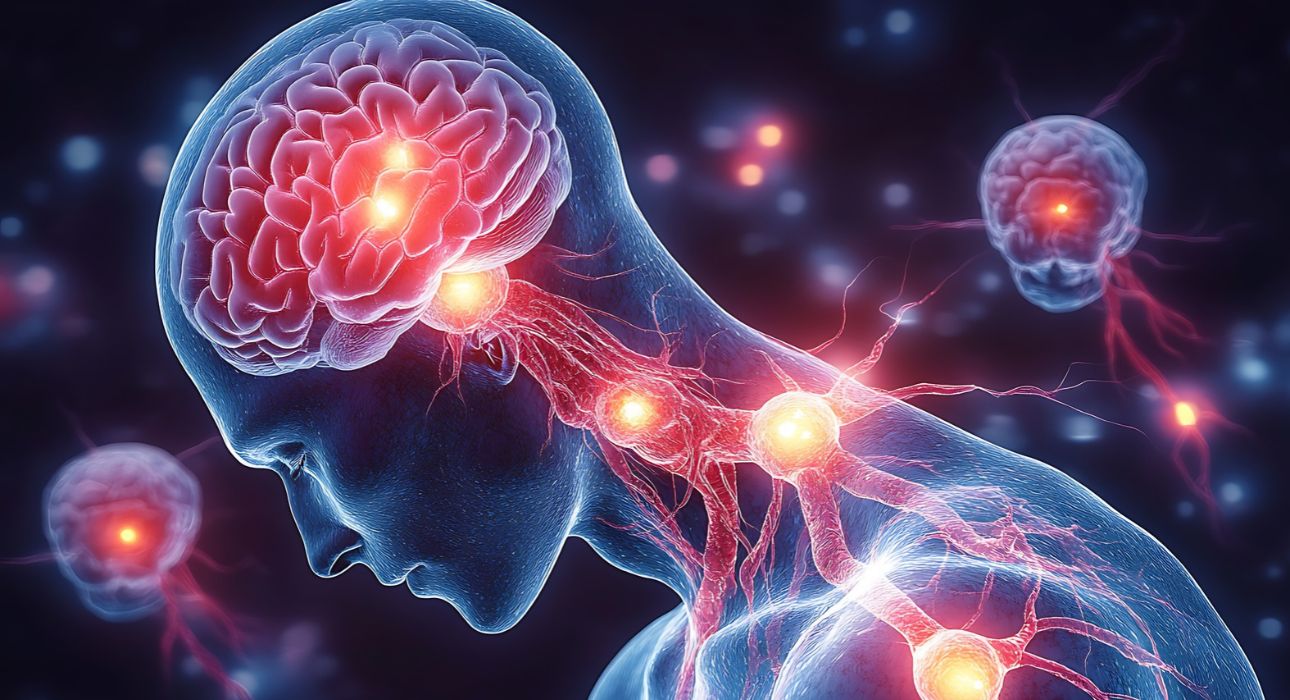
Psychoneuroimmunology (PNI) is a field of study in psychology that is interdisciplinary in nature, as it involves the understanding of the relationship between the brain, the nervous system, the immune system and behaviour. It tries to understand the bidirectional relationship of these aspects and their impact and effect on mental and physical health. The initial research was conducted on the neuroimmune interactions in the 1970s, and the official term Psychoneuroimmunology was coined by Robert Ader in the 1980s in his first edition of the classic textbook on Psychoneuroimmunology.
Psychoneuroimmunology is the sub-discipline of neuroimmunology. The initial research on PNI primarily focused on brain-to-immune signalling. Research in this area yielded important findings on neural regulation of immunity. Even before the 1970s- 80s, the early work on the mind-body connection can be traced to the work of Hippocrates, but the essential focus was laid on body-to-brain regulation rather than brain-to-body regulation (Tausk et al., 2008; Bower et al., 2008; ScienceDirect n.d.).
In recent studies, it has been shown that behavioural changes do lead to changes in immune functioning. PNI first emerged in neuroscience; then its importance and research were extended to Psychology, Psychiatry, Endocrinology, Physiology, and biophysical research (Fleshner et al., 2004).
Understanding the Immune System
The immune system consists of a large network of organs that protects the human body from germs, infections and illnesses. The immune system helps in healing. Some of the important functions include: to keep the germs and invaders out of the body, to destroy and limit the harm done by invaders. Essentially, it also helps to adapt to new challenges and threats. It protects against germs, bacteria, parasites, fungi, cancer cells.
The immune system sends out antibodies to destroy the germs and parasites. The White Blood Cells (WBCs), Antibodies, Cytokines, Complement system, Lymph Nodes, Spleen, Tonsils & Adenoids, Thymus, Bone Marrow, Skin & Mucosa make up the immune system. There are two types of immune system. The Innate immunity by its name suggests that the immunity which body holds since the time of the birth.
Innate immunity is the body’s first line of defence. In essence, innate immunity does not require any prior training to distinguish between the cells that belong and those that don’t belong. For example: White Blood Cells. On the other hand, acquired immunity, which is also known as adaptive immunity or specific immunity, refers to when the body gets exposed to germs over time and then acquires the immune system to fight back (Cleveland Clinic, 2023).
Understanding the Psychoneuroimmune Mechanisms
The psychoneuroimmune mechanisms help to understand how various neural, immune and humoral pathways influence behaviour. They largely influence behaviour by activating signals.
1. The Nervous and Immune System
The nervous system consists of neurons. It is divided into two parts based on its function: the central Nervous System and The Peripheral Nervous System. The Nervous system sends nerve signals via neurons and nerve fibres. The immune system consists of several body parts such as White Blood Cells, Cytokines, Bone Marrow, etc. The immune system sends out inflammatory signals. The inflammatory signals are chemical messages that are released when the body detects injury, infection or damage. Inflammatory signals direct other cells and the immune response if something is wrong.

The immune activity can be regulated through the nervous system via neural and hormonal pathways. One of the major pathways is the Autonomic nervous system of the sympathetic nervous system. Nerve fibres, which are long,thread-like parts of neurons, carry electrical signals that supply lymphoid organs such as the spleen, lymph nodes and other immune tissues.
These nerves secrete neurotransmitters such as norepinephrine. The signals which originate in the nervous system tend to alter immune cell activity, as the immune cells have receptors for these neurotransmitters(Dantzer, 2018).
2. The Immune and Nervous System
Immune cells activate whenever the body encounters an infection or tissue damage. Immune cells release Cytokines. Cytokines are proteins who function as a chemical messenger which direct immune cells in the body. For various functions, there are various Cytokines such as IL-1, IL-6 and TNF-alpha. There are various pathways for communication between the immune system and the nervous system, which in turn influences the brain.
3. Neural Pathways
Inflammatory signals are chemical messages that are released by the immune cells when there is injury, infection or damage, and sensory nerves carry information towards the brain or spinal cord. When Inflammatory signals stimulate the sensory nerves, they carry the information that there is some infection or injury in the body, which enables the brain to understand that something is wrong.
4. The Humoral Pathway
The immune system also communicates the body’s immune status to the brain via circulating inflammatory signals. These signals are chemical messages that travel through the bloodstream. The circulating inflammatory signals reach the circumventricular organs (a region of the brain that is located around the ventricles where the blood-brain barrier is absent). Hence, using this pathway, the immune system communicates the body’s immune status to other tissues, including the brain (Dantzer, 2018).
5. The Aftermath: How do immune signals influence the behaviour?
Inflammatory signals influence the brain and behaviour by sending essential chemical messages. For example: When the inflammatory signals are activated they contribute to sickness behaviour as the signals reach the brain it directly influences the behaviour. This sickness behaviour results in: fatigue, reduced activity, changes in sleep, reduced appetite, social withdrawal and changes in motivation (Dantzer, 2018).
Exploring the Relationship Between Stress & Immune System
When a situation is challenging in a way which is out of capacity for an individual to deal with,such situations are known to induce stress. These difficult situations are known as stressors. The human body tends to develop a stress response which is either physiological or psychological in nature. The immune system helps to induce the fight-or-flight response by mobilising specific cells into the bloodstream under stress.
The neuroendocrine system is activated because of stress. The stress triggers the microglia (specific type of cells which are found in the brain and spinal cord) in the brain which release stress hormones, neurotransmitters. These hormones and neurotransmitters tend to modulate the function and movement of immune cells. Acute stress temporarily strengthens immunity and can protect against infection, whereas chronic stress dysregulates or inhibits immune functions (Alotiby, 2024).
Two Key Pathways Connecting Stress and Immunity
Researchers have been able to explain how stress impacts the immune system and causes various physiological changes. The HPA Axis and Sympathetic nervous system play a key role.
1. The Hypothalamus – Pituitary – Adrenal Axis
Messages in the form of corticotropin-releasing hormone travel from the hypothalamus to the pituitary. In response to CRH, the pituitary releases adrenocorticotropic hormone (ACTH), which stimulates the cortical part of the adrenal gland to produce epinephrine and the stress hormone cortisol, which are released into general circulation. Cortisol mobilises the body to deal with stress.
Cortisol in turn provides negative feedback to the hypothalamus and pituitary to decrease their release of CRH and ACTH, which in turn reduces the release of adrenaline and cortisol. Also, cortisol has a twofold effect on immune response. On the one hand, it increases the activities of certain immune cells such as innate immune cells (NK cells) and increases the production of pro-inflammatory cytokines, including IL-6 & TNF – Alpha.
Immune suppression and Immune dysregulation can be witnessed if there is chronic exposure to high cortisol levels. Studies have found that dysregulation of the HPA Axis leads to chronic insomnia.
2. Sympathetic Nervous System
SNS also plays a significant role in the stress response. When the SNS is activated, it releases Catecholamines(water-soluble chemical compounds functioning as hormones and neurotransmitters in the body). The main types of Catecholamines are adrenaline and noradrenaline; these directly affect the immune cells. These neurotransmitters have a twofold effect that can modulate immune response.

They can either enhance activity for innate immunity or inhibit acquired immunity. A short-term increase in the Catecholamines can stimulate the mobilisation of immune cells from the bone marrow and increase their response. A chronic SNS ultimately leads to dysregulation of immune response, which in turn weakens the adaptive immune response, leading to major health implications(Barlow, 2018; Alotiby, 2024).
Psychoneuroimmunology and Clinical Disorders
Clinical disorders can also be best explained by psychoneuroimmune mechanisms.
1. Depression
Studies have suggested a peripheral marker of inflammation in patients with depression, including higher levels of Cytokines such as IL-6 and TNF-alpha. Activated microglia have been observed in the victims of depression and in the brains of patients with Major Depressive Disorder. Longitudinal group studies have supported the role of inflammation in depression, and the increased levels of IL-6 & CRP precede the development of depressive symptoms. A recent meta- analysis estimated that approximately 30% of patients with depression reported increased inflammation. Inflammation is strongly associated with the symptoms of depression such as fatigue, sleep disturbances, anhedonia, and changes in neural circuitry.
2. Schizophrenia
Inflammation plays a key role in the development of schizophrenia. There is a link between maternal infection and increased risk for schizophrenia among offspring. It was also suggested that increased inflammatory factors in childhood predicted risk for psychosis in young adulthood (Bower et al., 2023).
Recent Findings in the Field
- Unlike traditional viewpoints that suggested the brain, nervous system and immune system as being independent from each other, contemporary viewpoints strongly suggest that the brain and immune system share a two-way communication.
- Psychological experiences can affect the sympathetic nervous system, hormones, immune cells and inflammation.
- Results suggest that psychological stress is not different from a physical threat because psychological stress activates stress mechanisms and leads to changes in immune functioning.
- Earlier, it was advocated that stress suppresses immunity, but now it is rejected because various factors impact immunity, such as type of stress, duration of stress, intensity of stress, timing and context of stress. According to these variables, immunity gets altered.
- Cytokines help to coordinate immune response (Fleshner et al., 2004).
Conclusion
Psychoneuroimmunology is an interdisciplinary approach to understanding human behaviour. Researchers can trace the roots of PNI back to the era of Hippocrates, when they focused primarily on body-to-brain signalling. Psychoneuroimmunology emerged from neuroimmunology. This field has helped researchers understand how the nervous and immune systems influence behaviour and how behaviour, in turn, affects these systems. Robert Ader is a prominent figure who coined PNI in his classic book ‘Psychoneuroimmunology’. PNI explains the intricacies of both body-to-brain signalling and brain-to-body signalling.
References +
- Tausk, F., Elenkov, I. and Moynihan, J. (2008), Psychoneuroimmunology. Dermatologic Therapy, 21: 22-31. https://doi.org/10.1111/j.1529-8019.2008.00166.x
- ScienceDirect. (n.d.). Psychoneuroimmunology—An overview. ScienceDirect Topics. ScienceDirect Topics: Psychoneuroimmunology https://www.sciencedirect.com/topics/medicine-and-dentistry/psychoneuroimmunology
- Julienne E. Bower, Kate R. Kuhlman. 2023. Psychoneuroimmunology: An Introduction to Immune-to-Brain Communication and Its Implications for Clinical Psychology. Annual Review of Clinical Psychology 19:331-359. https://doi.org/10.1146/annurev-clinpsy-080621-045153
- Fleshner, M., & Laudenslager, M. L. (2004). Psychoneuroimmunology: Then and now. Behavioural and Cognitive Neuroscience Reviews, 3(2), 114–130. https://doi.org/10.1177/1534582304269027
- Alotiby A. (2024). Immunology of Stress: A Review Article. Journal of Clinical Medicine, 13(21), 6394. https://doi.org/10.3390/jcm13216394
- Cleveland Clinic. (2023, October 20). Immune system. Cleveland Clinic webpage
- Dantzer, R. (2018). Neuroimmune Interactions: From the Brain to the Immune System and Vice Versa. Physiological Reviews, 98(1), 477–504.https://doi.org/10.1152/physrev.00039.2016
- Barlow, D. H., Durand, V. M., & Hofmann, S. G. (2018). Abnormal psychology: An integrative approach (8th ed.). Cengage Learning.