Stress
Clinical

Expressed Emotion in Schizophrenia

Ever wondered whether the way family or caregivers behave with the patients leaves a lasting impact on the illness? Whether if its a physical and mental illness the attitude portrayed towards the patient plays a significant role in their relapse and recovery journey. The term Schizophrenia was first coined by Eugen Bleuler. Schizophrenia means split mind.

Read More
Clinical History

The History of PTSD: From Shell Shock to DSM-5-TR

Post-traumatic stress disorder (PTSD) was formally recognised by the American Psychiatric Association (APA) in 1980, but the suffering it describes is far older. For more than a century, doctors saw the same pattern of symptoms in soldiers and civilians and gave it different names, usually blaming weakness, exhaustion or poor character rather than the traumatic

Read More
Clinical

Intermittent Explosive Disorder: Causes, Impact, and Treatment

Anger is a normal human emotion that can arise when a person feels frustrated, hurt, threatened, treated unfairly, or prevented from reaching a goal. It can range from mild irritation to intense frustration. Anger itself is not necessarily harmful: it can alert people that something is wrong and motivate them to set boundaries or address

Read More
Clinical

Aphanisis and the Changing Nature of Sexual Desire: A Psychological Perspective

Aphanisis was derived from a Greek term associated with disappearance or vanishing. The term was proposed by Psychoanalyst Ernest Jones in the 1920s while discussing the development of feminine sexual life. He suggested that the loss of sexual pleasure, a fearful experience, has great psychological significance, and he argued it could be even more fundamental

Read More
Biopsychology

Psychoneuroimmunology: Understanding the Brain-Immune-Behaviour Connection

Psychoneuroimmunology (PNI) is a field of study in psychology that is interdisciplinary in nature, as it involves the understanding of the relationship between the brain, the nervous system, the immune system and behaviour. It tries to understand the bidirectional relationship of these aspects and their impact and effect on mental and physical health. The initial

Read More
Health Psychology

What Is PTSD? Why the Past Feels So Present

He came home from war, settled into a career, got married, and raised kids; by all accounts, he had moved on. But years down the line, the nightmares kept coming. He could not sleep through the night, would snap into anger without warning, felt hollow inside, and kept getting jolted by things that reminded him

Read More
Health Psychology

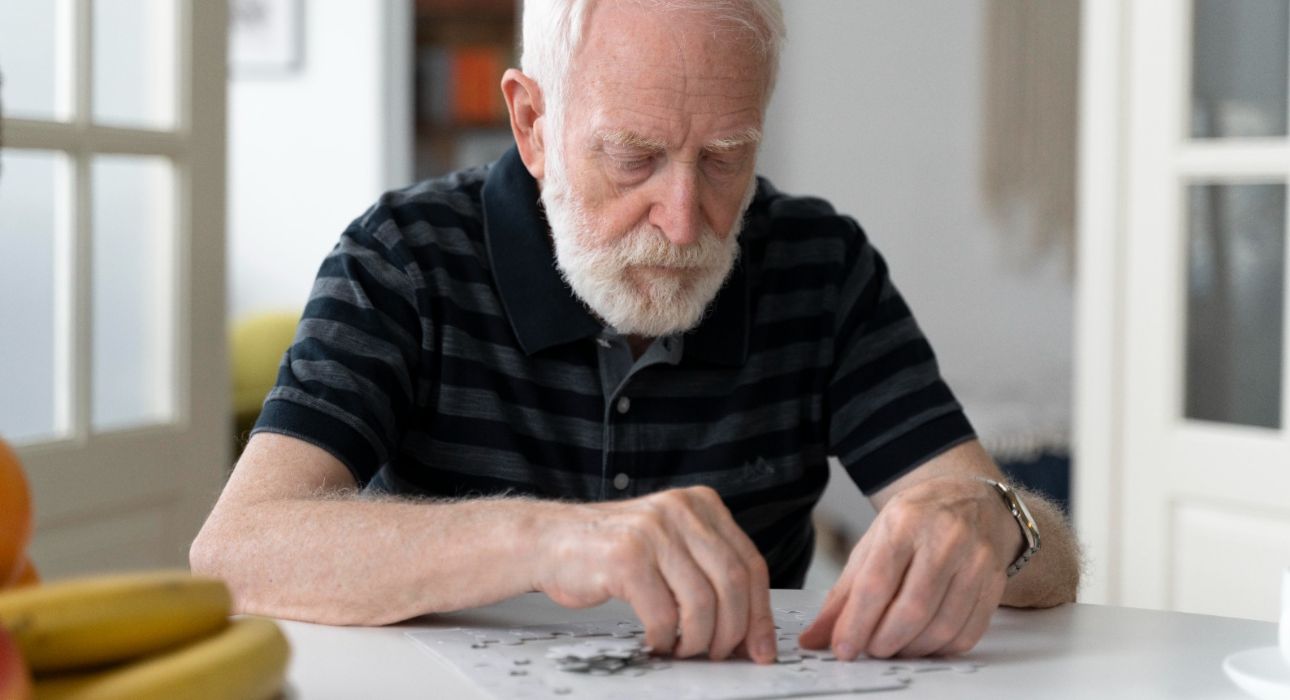
Alzheimer’s Disease: Understanding Its Impact, Causes, and Care Strategies

Alzheimer’s disease is a neurological condition that has a major impact on the brain and its functioning. Cognitive abilities, including reasoning, problem-solving, and memory, deteriorate as a result of this type of dementia. Dr Alois Alzheimer first brought a patient of this disease into the public eye in the year 1907. The patient was a

Read More
Stress

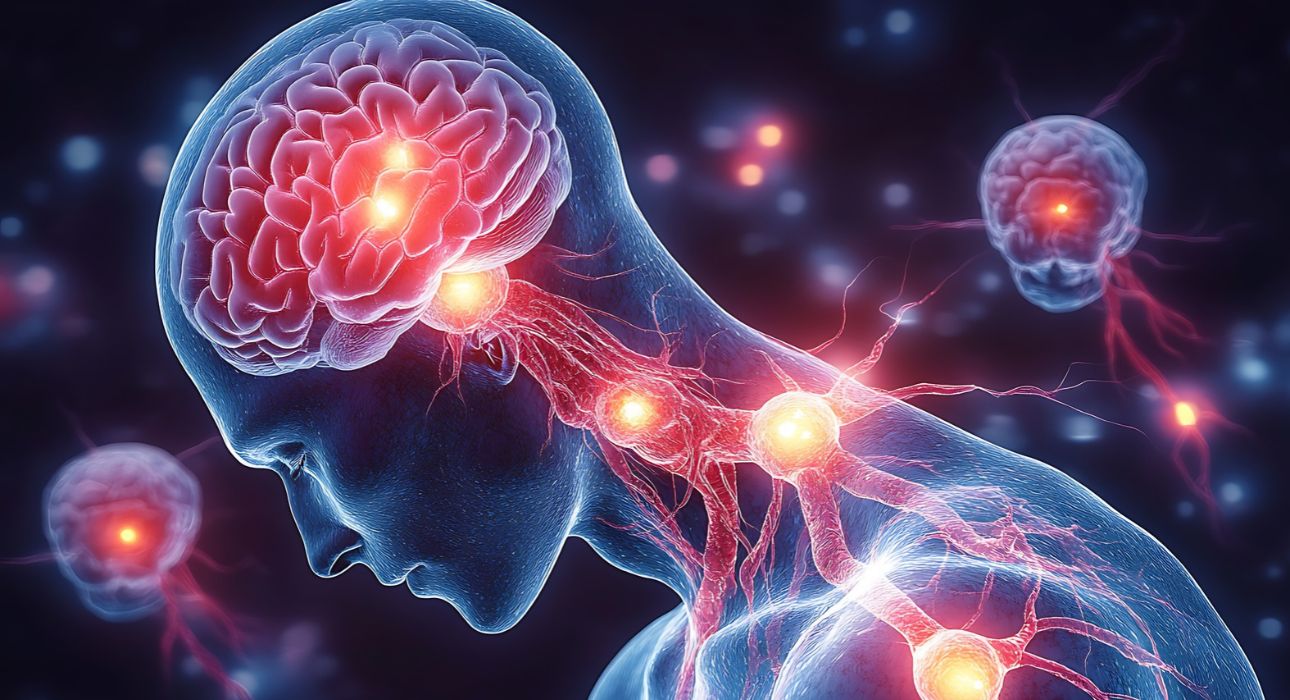
The Role of the Hypothalamus in Stress Responses: Fight, Flight, or Freeze

In our daily life, we encounter many stressful situations, be it environmental, such as work deadlines, family arguments or psychological problems, such as worrying about exams, losing a job. An event of stress leads to physical, behavioural, and psychological reactions by the human body. This article dives into the details of the stress response system

Read More
Children Development

Understanding the Uses and Impact of Art Therapy

In an increasingly fast-paced life and emotionally demanding world, people suffer more from stress, trauma, anxiety, and identity issues than ever. Talk therapies do work, but often for people who are sometimes not articulate enough to describe what they feel, the other routes can offer a much deeper healing experience. Creativity is that alternative. Art

Read More
Cognitive

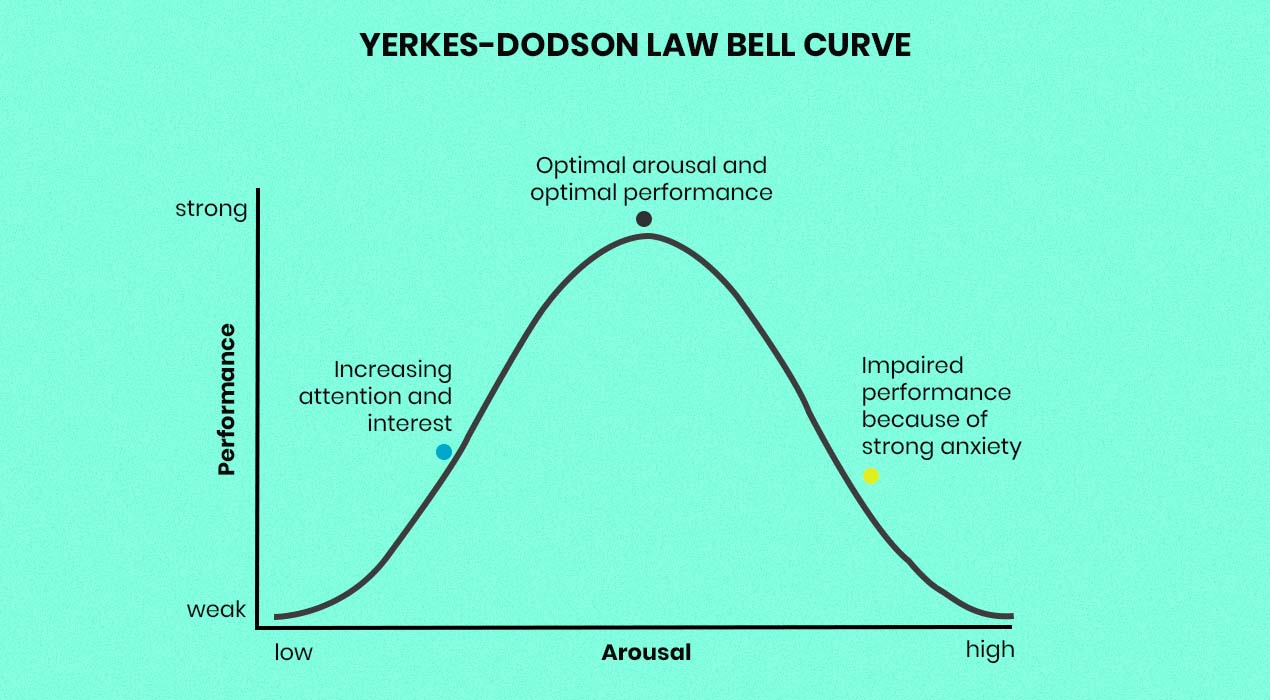
Yerkes-Dodson Law 

There must have been times when you were not able to perform at your best when the deadlines were too close, or you were not able to perform well in exams because you were too anxious about it. We also noticed that sportsmen and athletes performed better than their capabilities in certain competitions but underperformed

Read More