Biopsychology
Biopsychology Neurons

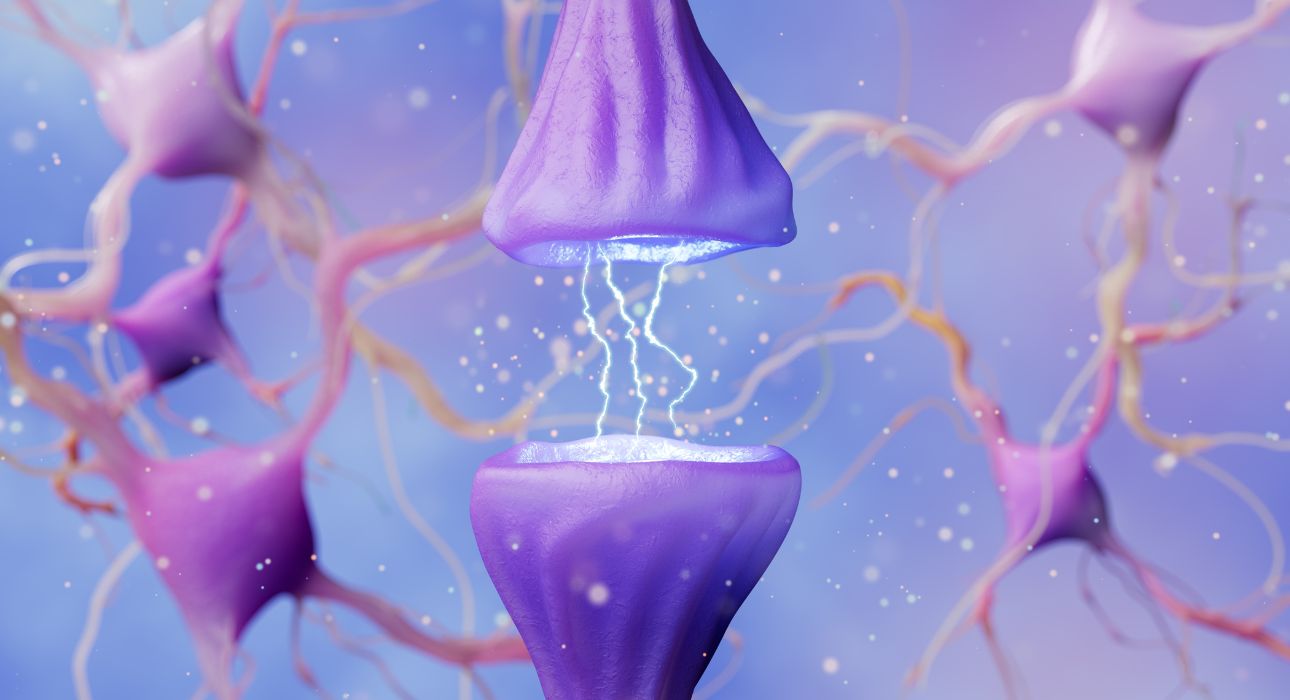
Synaptic Transmission: How Information Travels in the Brain

Imagine your brain as a bustling city, with its roads and highways linking its many regions, neurons in this case. The ‘traffic’ within this city does not move chaotically, instead, it follows specific pathways, finds quick routes, and builds new ones when necessary. Streams of electric activity move through the highways and byways of clusters

Read More
Editor's Pick Sleep

The Five Stages of Sleep Deprivation

Sleep is one of the most imperative biological needs for the restoration of both physical and mental well-being. It leads importantly to good cognitive functioning, such as learning and memory consolidation, emotional functions, emotional regulation, and even the repair of tissues and strengthening of the immune system. Sleep has been valued throughout history as necessary

Read More
Editor's Pick Neurotransmitters

Understanding Dopamine: From Reward Pathways to Neurological Disorders

Dopamine is a monoamine neurotransmitter, a chemical messenger functioning like a reward center in the brain responsible for motivation and elevation of mood. Dopamine is released when one engages in pleasurable activities like baking cookies, social interactions, sex, or even binge- watching your favorite shows. Runner’s high is depicted by dopamine release related to boost

Read More