The Neuroscience of Psychedelics
Think about your brain like a great city at night. Billions of neurons are in communication with each other, yet not all are

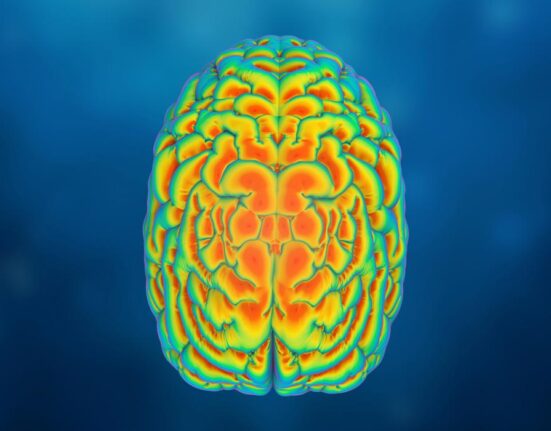
Think about your brain like a great city at night. Billions of neurons are in communication with each other, yet not all are

While reading a book passage, you suddenly realise that you do not understand it. Therefore, you pause, decide to re-read it and then

Have you ever walked into a place you have never visited before? Suddenly, you may feel as though you have been there already.
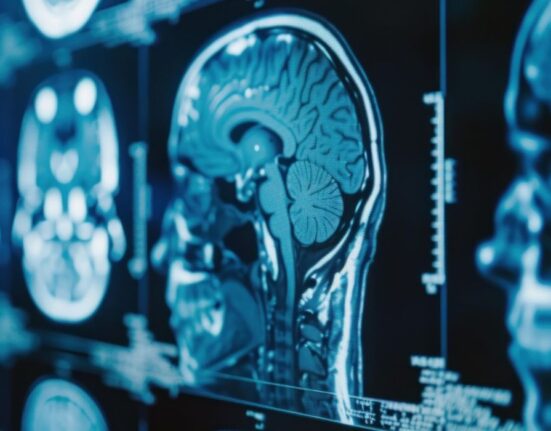
Is surgery possible for treating mental illnesses? This question appears as for many people this idea sounds very impractical. The expression of altering

Post-traumatic stress disorder (PTSD) was formally recognised by the American Psychiatric Association (APA) in 1980, but the suffering it describes is far older.

Major Depressive Disorder is characterised by the feelings of hopelessness, worthlessness, lack of interest in day to day activity, insomnia or hypersomnia, vegetative

Identity is complex to define. In psychology, identity is a sense of self which is defined by unique characteristics which an individual possess

Anger is a normal human emotion that can arise when a person feels frustrated, hurt, threatened, treated unfairly, or prevented from reaching a
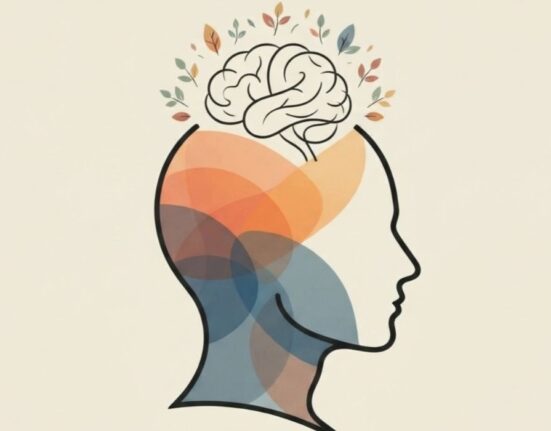
At some point in time, almost everyone faces emotional or physical pain that feels overwhelming. While some people manage these challenges on their

A 13-year-old girl makes a facial contortion and fist clench at least 24 times per week when she’s at home. An 11-year-old boy’s