
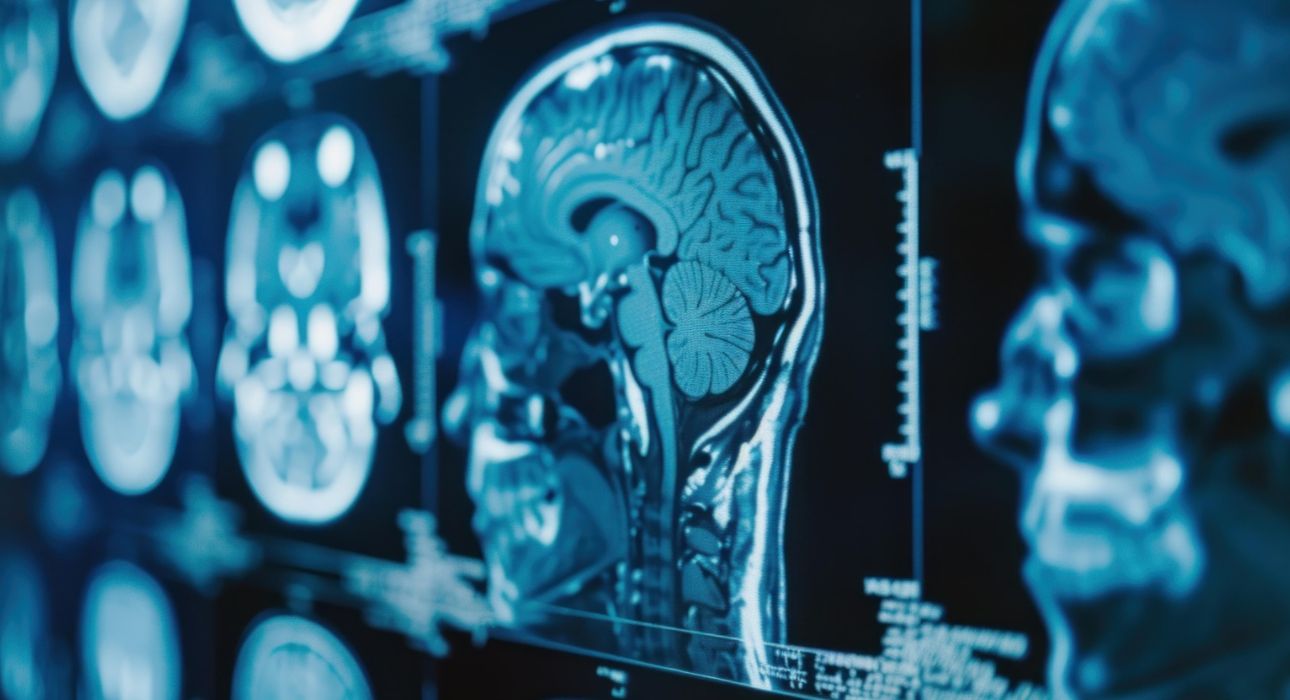
Is surgery possible for treating mental illnesses? This question appears as for many people this idea sounds very impractical. The expression of altering the brain to decrease depression, obsessive thoughts or any severe psychiatric symptoms gives way to difficult questions about identity, free will of an individual, and the limitations of medical interventions. Throughout history, doctors have explored surgery as a treatment for mental illnesses. Psychosurgery has evolved from the highly controversial lobotomies of the 20th century to modern procedures such as deep brain stimulation.
Although not all these interventions were successful, some marked important breakthroughs. To understand psychosurgery it is very important to understand the history of it as these questions shape modern mental healthcare services or practices. This article will explore the historical development, the neurological basis, applications in modern-day practice, and ethical debates to define psychosurgery (Berrios, 1997; Mashour & Walker, 2005).
Historical Evolution
The origins of psychosurgery can be traced back to 1888, when Swiss psychiatrist Gottlieb Burckhardt performed cortical excisions on psychiatric patients (Berrios, 1997). His work faced widespread criticism because it marked the beginning of attempts to treat mental illnesses by surgically altering brain functions. The very infamous chapter in the 1930s came into picture when a Portuguese neurologist, Antonio Egas Moniz, introduced lobotomy, which was actually known as prefrontal leucotomy. He believed that if the connections of the frontal lobes could be severed, then it would relieve psychiatric symptoms, and for this finding, he was awarded the Nobel Prize in 1949 (Moniz, 1937).
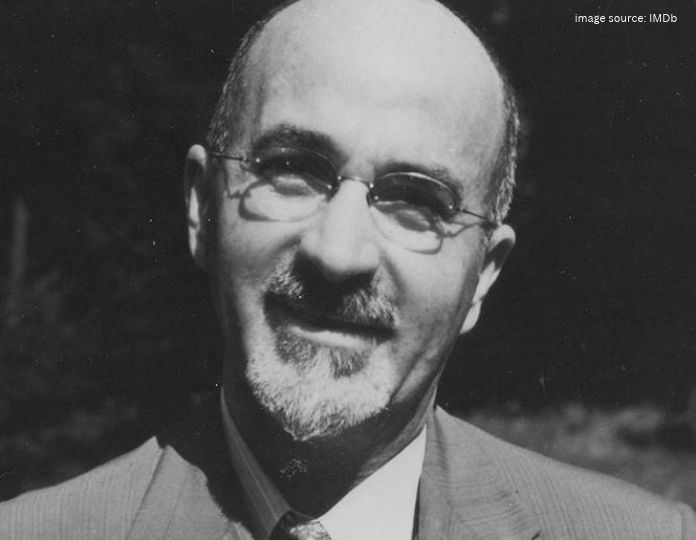
Walter Freeman actually made lobotomy popular in the United States while performing thousands of procedures, usually with very minimal oversight. The technique of lobotomy was very basic, which involved an “ice-pick” process through the eye socket, which led to severe cognitive and personality impairments for many patients (Stone, 2001). During the 1950s, lobotomy as a procedure had already become a symbol of medical overreach and abusive methods. The increase in the antipsychotic medications like chlorpromazine which combined with increase in ethical criticisms led to the decline of lobotomy (Mashour & Walker, 2005).
In the late 20th century, the process of psychosurgery re-emerged in a better and refined form of procedure. The technique called stereotactic surgery allowed surgeons to aim at a specific brain region with millimetre precision. Methods like anterior cingulotomy and capsulotomy were later developed to manage severe obsessive-compulsive disorder (OCD) and depression. But not like lobotomy, these interventions were based on neuroanatomical facts and they were performed under strict regulations (Cosgrove et al., 1994).
Neurological Basis and Usage In Modern Times
In modern times, psychosurgery is linked closely to DBS. It involves processes such as implanting electrodes in the specific regions of the brain like the subthalamic nucleus or the anterior limb of the internal capsule, which delivers electrical impulses leading to modulate the neural activities. It was originally developed for disorders related to movements such as Parkinson’s disease where DBS has proven facts which promises in psychiatric conditions like OCD, major depressive disorder and Tourette’s syndrome would be treated (Zrinzo et al., 2012).
There are other modern methods for psychosurgery consisting of cingulotomy and capsulotomy. In cingulotomy, it targets the anterior cingulate cortex, which reduces intrusive thoughts, and in capsulotomy, it disrupts the connections present in the internal capsule to relieve severe anxiety (Cosgrove et al., 1994). All these procedures have been grounded in the field of neuroscience in order to aim at balancing dysfunctional circuits, which include the prefrontal cortex, limbic system and basal ganglia, the regions that are responsible for emotion regulation, decision-making and compulsive behaviour (Mashour & Walker, 2005).
Advantages and Risks
There are certain benefits of doing psychosurgery which are essential for patients who have exhausted conventional treatments. For instance, DBS is meant to give relief from recurring symptoms, which helps to improve the quality of life and restore the daily functioning of individuals who have not responded to medication or psychotherapy (Schlaepfer & Fins, 2010). Apart from other procedures, DBS is a reversible technique and also adjustable, which allows clinicians to fine-tune the stimulation parameters.
However, there are risks that still remain. There are many possible complications related to the surgery, such as bleeding, infection and hardware malfunction. Personality or cognitive changes might take place, which raises concerns about autonomy and identity. These surgeries are though very less now-a-days but they carry the risk of changes which are irreversible damages. Though DBS also requires management, it is not positively received by all the patients (Yousaf et al., 2020).
Ethical Concerns
The debate about ethical implications regarding psychosurgery is deeply rooted in its history. Around the time when lobotomy was introduced, there were many procedures that were performed on vulnerable populations, such as institutionalised patients, especially women, without proper consent (Porfyri & Tarantili, 2025). This is also the reason why even in today’s time it still underscores the significance of informed consent and autonomy of patients in this modern time practice.
The changes in the brain, which are irreversible in nature, also contribute to another challenge in ethical complications. Although the procedure is done with so much precision this permanently alters neural tissue which raises the question about whether they can truly understand the consequences of it for the long term (Cosgrove et al., 1994). But DBS eliminates this concern, as it is a reversible technique and also still involves invasive surgical procedures and device management.
Psychosurgery carries a stigma because of its history of misuse and abuse. As a result, patients may hesitate to consider these procedures, even when they could benefit from them. Cultural narratives that portrayed lobotomy as a symbol of medical arrogance shaped how the public viewed it (Stone, 2001). Furthermore, equity and access to the technique complicate the picture. DBS is an advanced but expensive procedure. It is mainly available at specialised centres, raising concerns about equal access to mental healthcare.
Current Role and Future Directions
In today’s time, psychosurgery is rare, highly regulated and only reserved for severe, treatment-resistant cases. The DBS technique is common in the field of neurology but is also increasing in applied psychiatry. Studies have explored closed-loop DBS. This technique adjusts stimulation based on real-time brain signals. As a result, it may offer greater precision and fewer side effects (Zrinzo et al., 2012). Some neuromodulation techniques, such as transcranial magnetic stimulation (TMS), are non-invasive. Therefore, they may expand treatment options for patients without requiring surgery (Mashour & Walker, 2005).
The future prospect of psychosurgery lies in precision and reversibility. Advancements in neuroimaging, computer-based modelling, and the use of biomarkers have improved clinical understanding. As a result, clinicians can adjust interventions according to each patient’s individual needs. Ethical vigilance remains equally important. It ensures that doctors use psychosurgery responsibly and only when its potential benefits outweigh the risks (Schlaepfer & Fins, 2010).
Conclusion
The history of psychosurgery reflects innovation as well as abuse. Early psychosurgery involved basic and relatively superficial lobotomy procedures. However, the introduction of more precise techniques, such as Deep Brain Stimulation (DBS), marked a shift towards targeted interventions. This progression illustrates the struggle of medicine to balance the hope of alleviating suffering with respect for each patient’s autonomy and safety.
Modern-day psychosurgery offers very precise and targeted interventions for treatment-resistant conditions. However, its central focus remains on ethical concerns surrounding consent, irreversibility, and stigma. The future depends on precision, reversibility, and strict regulations that ensure patient safety. It also requires lessons from history to guide responsible innovation in mental healthcare.
References +
- Berrios, G. E. (1997). The origins of psychosurgery: A history of psychiatric surgery. History of Psychiatry, 8(30), 139–179. https://doi.org/10.1177/0957154×9700803001
- Cosgrove, G. R., Rauch, S. L., & Baer, L. (1994). Neurosurgical treatment of psychiatric disorders. Harvard Review of Psychiatry, 2(2), 75–83. https://doi.org/10.3109/10673229409017059
- Mashour, G. A., & Walker, E. E. (2005). Psychosurgery: From the lobotomy to deep brain stimulation. Journal of Neurosurgery, 102(5), 939–944. https://doi.org/10.3171/jns.2005.102.5.0939
- Moniz, E. (1937). Tentatives opératoires dans le traitement de certaines psychoses. Paris: Masson.
- Porfyri, G. N., & Tarantili, V. (2025). A historical overview on the rise and downfall of psychosurgery. European Psychiatry, 68(Suppl 1), S1053. https://doi.org/10.1192/j.eurpsy.2025.2130
- Schlaepfer, T. E., & Fins, J. J. (2010). Deep brain stimulation and the neuroethics of responsible innovation. Nature Reviews Neuroscience, 11(2), 74–77.
- Stone, J. L. (2001). Walter Freeman and the psychosurgical legacy. Journal of Neurosurgery, 95(5), 951–955. https://doi.org/10.3171/jns.2001.95.5.0951
- Yousaf, A., Singh, K., Tavernor, V., & Baldwin, A. (2020). Psychosurgery: A history from prefrontal lobotomy to deep brain stimulation. Journal of Geriatric Medicine, 6(2), 45–52.
- Zrinzo, L., Foltynie, T., Limousin, P., & Hariz, M. I. (2012). Deep brain stimulation for psychiatric disorders: From experimental surgery to evidence‑based therapy. World Neurosurgery, 77(3–4), 381–393. https://doi.org/10.1016/j.wneu.2011.07.019