
Major Depressive Disorder is characterised by the feelings of hopelessness, worthlessness, lack of interest in day to day activity, insomnia or hypersomnia, vegetative symptoms etc. The symptoms of major depressive episodes should persist for two weeks, and one of the important symptoms, i.e., lack of interest, should be present. Major Depressive Disorder is categorised under Mood Disorders. The treatment of major depressive disorder involves both psychological, i.e., therapy and psychopharmacological, i.e., prescription of drugs.
Studies have suggested that when clinicians combine both treatment modalities, effective results are derived. Antidepressants have been a popular choice among clinicians to treat depression(Barlow et al., 2015). This article aims to understand what antidepressants are, how they work, their mechanism of action and their benefits and side effects.
What are Antidepressants?
Antidepressants are medications that treat depression, anxiety, and some eating disorders. They also help with pain and sleep issues. One of the prominent reasons why antidepressants are used is because of depression. Although they help reduce symptoms, they do not fix the problem completely. Hence, antidepressants are not recommended on their own; rather, they are prescribed along with therapy.
Antidepressants are drugs used to treat depression. Apart from treating depression, anxiety and eating disorder, antidepressants also help with : Bipolar Disorder, Chronic pain, Seasonal Affective Disorder, Neuropathy caused by diabetes, Obsessive Compulsive Disorder, Premenstrual Dysphoric Disorder, Post – Traumatic Stress( Cleveland Clinic, 2025).
The Mechanism of Action: How do Antidepressants Work?
One of the important causes of psychological disorders is imbalances in neurotransmitter systems or damage in brain areas. Psychological disorders are not caused by one factor; rather, they are caused by multiple factors or BioPsychoSocial factors. Antidepressants work by increasing the release of serotonin, norepinephrine or dopamine. It is believed that patients with depression have less secretion of feel-good hormones such as serotonin, dopamine and norepinephrine. Antidepressants target specific neurotransmitter systems to regulate mood and behaviour.
The Role of Neurotransmitters in Depression
Neurotransmitters are chemical messengers that enable communication between neurons. Neurotransmitters are released in the synapse when there is an electrical signal. These neurotransmitters then bind to the receptors and then influence the activity. Reuptake is the process of taking the neurotransmitter back into the neuron from the synapse.
Serotonin, dopamine, and Norepinephrine are commonly associated with depression. The neurotransmitter serotonin is mainly involved in mood regulation, emotional processing, sleep, and appetite, whereas Norepinephrine carries the functions of keeping an individual aware, alert, aroused, and attentive. Dopamine is involved in motivation, reward processing, reinforcement, and the experience of pleasure. It is also known as a feel-good neurotransmitter.
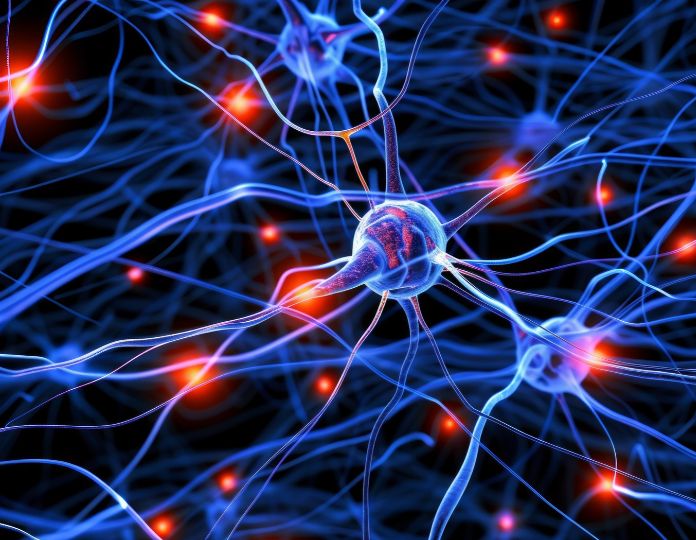
Changes in complex, multiple brain systems contribute to depression. Individuals with depression experience sadness, loss of interest, issues with concentration, sleep disturbances, etc. Single neurotransmitter deficiency cannot explain these symptoms. The Monoamine Hypothesis postulates that reduced and altered signalling in serotonin, norepinephrine, and dopamine contribute to depression. This hypothesis indicates why medications that increase monoamine neurotransmission lead to reduced symptoms. However, it does not completely explain the symptom reduction(Harmer et al., 2017).
However, as Harmer et al. (2017) highlight, the monoamine hypothesis serves as an incomplete explanatory model rather than a comprehensive account of depression’s aetiology. Pharmacological elevations in synaptic monoamines occur within hours, yet clinical improvement typically takes weeks. To reconcile this delay, Harmer et al. (2017) emphasise a broader neurobiological framework: monoaminergic agents trigger immediate shifts in emotional information processing (reducing negative cognitive biases), which then interact over time with environmental input to remodel dysfunctional neural circuits.
Furthermore, sustained antidepressant action relies on long-term neuroplastic adaptation, including enhanced neurogenesis and synaptic plasticity mediated by neurotrophic factors like BDNF. Depression is thus best understood not merely as a monoamine deficiency, but as a system-level disruption in neuroplasticity, cognitive bias, and circuit-level connectivity.
How do Antidepressants Affect Neurotransmission
Antidepressants influence the process of neurotransmission i.e., the impact on the release, transportation, and reception of neurons. The most widely prescribed antidepressants are SSRIs (Selective Serotonin Reuptake Inhibitors) and Serotonin–Norepinephrine Reuptake Inhibitors (SNRIs). One of the important aspects to consider is neurotransmitter reuptake. Reuptake is the process that enables the regulation of communication between neurons. For example:
- Presynaptic Neuron: It refers to the release of a neurotransmitter.
- The neurotransmitter crosses the synapse.
- Postsynaptic Neuron: It refers to the state where the neurotransmitter binds to the receptors and transmits the signals
- Reuptake: Finally, the neurotransmitters are carried back to the presynaptic neuron, reducing their availability.
In a similar way, serotonin and other neurotransmitters go through the process of reuptake. Antidepressants like SSRIs block the serotonin transporter (SERT), which normally carries the serotonin back. This allows the serotonin to remain in the synaptic cleft and interact with the neurons. Inhibiting reuptake changes serotonergic neurotransmission, and this leads to processes that improve symptoms.
Major Classes of Antidepressants and their Mechanisms
- Selective Serotonin Reuptake Inhibitors(SSRIs) – SSRIs selectively inhibit the reuptake of serotonin, and this reduces the reuptake of serotonin in the presynaptic neuron. Serotonin is then available for a longer time in the synaptic cleft. SSRIs are used as first-line pharmacological treatment for depression.
- Serotonin – Norepinephrine Reuptake Inhibitors (SNRIs) – SNRIs inhibit the reuptake of serotonin and norepinephrine. When these neurotransmitters increase, they influence changes in regulation, alertness, attention or energy. They are prescribed when SSRIs are proving ineffective.
- Tricyclic Antidepressants: TCAs used to be prescribed more before the invention of SSRIs. SSRIs came and replaced them. They generally inhibit the reuptake of Serotonin and Norepinephrine. They also affect other receptor sites such as muscarinic acetylcholine, histamine and alpha-adrenergic receptors.
- Monoamine Oxidase Inhibitors: They inhibit monoamine oxidase, an enzyme which is responsible for breaking down neurotransmitters such as serotonin, norepinephrine and dopamine.
Why do Antidepressants take Time to Work?
Antidepressants take time to work. The increasing neurotransmitter availability is an initial psychopharmacological action, whereas therapeutic improvement involves further brain adaptations. When SSRIs are introduced initially, they do their work quickly, but the brain has a regulatory mechanism that maintains balance in neurotransmission. Over time, some autoreceptors become less sensitive or desensitised. This gradually allows serotonergic neurons to adapt to the medication and change the serotonin signalling over time(Harmer et al., 2017; Hasler et al., 2010; Informed Health, 2006; Delgado, 2004).

Symptom reduction occurs only after the brain undergoes structural and functional adaptations. Over 2 to 4 weeks of continuous treatment, these presynaptic autoreceptors become desensitised (downregulated), allowing serotonergic neurons to fire at an elevated rate and establish sustained neurotransmission (Delgado, 2004; InformedHealth.org, 2020).
Parallel to this autoreceptor desensitisation, antidepressants trigger broader neuroplastic changes, including increased expression of brain-derived neurotrophic factor (BDNF), synaptic remodelling, and a gradual reversal of negative cognitive biases (Harmer et al., 2017). Because these neural circuit adaptations take time, the expected clinical response follows a specific timeline:
- Weeks 1–2: Early neurochemical adjustments occur. Patients may experience physical side effects or subtle positive shifts in emotional processing, though mood improvements remain minimal (Harmer et al., 2017).
- Weeks 3–4: Initial clinical responses typically appear, such as improved sleep, better concentration, or lightened mood.
- Weeks 6–8: Full therapeutic benefits generally emerge, as neuroplastic changes solidify and circuit-level brain signaling stabilizes (Taylor et al., 2021).
If a patient shows minimal or no improvement by weeks 6 to 8, clinicians typically re-evaluate the treatment plan by adjusting the dose or switching medications (Taylor et al., 2021).
Drugs used for the treatment of Depression are as follows
- Selective Serotonin Reuptake Inhibitors: Sertraline, Fluvoxamine, Fluoxetine, Paroxetine, Citalopram.
- Serotonin and Norepinephrine Reuptake Inhibitors: Venlafaxine, Desvenlafaxine, Duloxetine, Milnacipran.
- Atypical Antidepressants: Bupropion, Mirtazapine.
- Serotonin Modulators: Nefazodone, Trazodone, Vilazodone, Vortioxetine.
- Tricyclic Antidepressants: Amitriptyline, Clomipramine, Doxepin, Imipramine, Trimipramine, Desipramine.
- Monoamine Oxidase Inhibitors: Selegiline, Moclobemide, Tranylcypromine, Isocarboxazid(Sheffler et al., 2026).
Are Antidepressants Toxic?
When medications are taken above their prescribed dosage, they lead to toxic results which may cause substantial harm to the individual. The toxicity of antidepressants varies across individuals. Antidepressants are involved in self-poisoning, especially among patients at risk of suicide. The older Tricyclic Antidepressants have a higher risk of toxicity than the new-generation SSRIs. SSRIs have low toxicity compared with TCAs. In cases of SSRI poisoning, the following may result: Drowsiness, tremor, and, in the case of SNRIs, hypertension, changes in level of consciousness, Seizures, or death.
These are some of the side effects that are caused by antidepressants. Weight gain is a possible side effect of antidepressants. Some antidepressants cause weight gain, for example: TCA’s, Monoamine Oxidase Inhibitors (MAOIs), SSRIs. At times, individuals gain weight because of the indirect impact of antidepressant therapy; some individuals don’t get physical activity because of depression(Sheffler,2026; Mayo Clinic Staff, 2024 ).
Relief in Symptoms and Relapse
Many medications help with depression, but when prescribing to each patient, it’s a process of trial and error. This means the clinicians need to check which drug is most suitable for the patient. However, studies have suggested that the benefit of antidepressants is mostly based on the severity level of depression. Severe depression is going to be more beneficial.

Antidepressants are often prescribed when the level of depression is chronic, severe or moderate. Research with an adult population involving depression has shown that adults who did not take antidepressants and took a placebo, that is, about 30 out of 100 people, noticed an improvement in their symptoms within six to eight weeks. On the other hand, about 50 out of 100 people who took antidepressants noticed an improvement in their symptoms within six to eight weeks. Antidepressants work for chronic symptom relief. They usually begin working in one to two weeks.
To prevent relapse, antidepressants are taken for one to two years. Relapse prevention should be considered for people who have had several relapses, want to avoid relapse and are dealing with chronic depression. Antidepressants can lower the risk of relapse but cannot assure the complete prevention of relapse(Informed Health, 2006).
Case Snippet
Analyse the case below and highlight the negligence done by clinicians. Outline the diagnostic criteria for Major Depressive Disorder and Persistent Depressive Disorder. What precautions should a clinician take care of while prescribing the psychopharmacological drugs. What next steps would you take as a clinician? Alice is a 24-year-old female. She had gone to seek sessions because she was feeling uneasy and was sleeping more than usual. Her clinician diagnosed her with Major Depressive Disorder.
Her clinician started treatment and prescribed her Antidepressants. It was almost eight weeks, but there was no improvement in the symptoms. Alice then changed her clinician, and this time she was diagnosed with Persistent Depressive Disorder. Her previous clinician did not consider the duration of her symptoms and misdiagnosed her. Alice was then given therapy and antidepressants. Alice had already consumed way too much of the antidepressants and was now experiencing their side effects. After a week, she was hospitalised.
Conclusion
Antidepressants are drugs that are given to reduce the symptoms of depression. They are also prescribed in other mental health conditions. The role of antidepressants in depression is crucial, especially when combined with psychotherapy. There are several classes of antidepressants that are prescribed according to symptom severity. Antidepressants work best when depression is chronic, severe, and moderate. There are multiple side effects of antidepressants if they are not prescribed at an appropriate dosage or if the patient takes more than the prescribed dosage. Side effects include drowsiness, dizziness, etc.
References +
- Cleveland Clinic. (2025, August 29). Antidepressants: What they are, uses, side effects & types. https://my.clevelandclinic.org/health/treatments/9301-antidepressants-depression-medication
- Mayo Clinic Staff. (2024, August 17). Antidepressants and weight gain: What causes it? Mayo Clinic. https://www.mayoclinic.org/diseases-conditions/depression/expert-answers/antidepressants-and-weight-gain/faq-20058127?p=1
- Sheffler ZM, Patel P, Abdijadid S. Antidepressants. [Updated 2026 Jul 15]. In: StatPearls [Internet]. Treasure Island (FL): StatPearls Publishing; 2026 Jan-. Available from: https://www.ncbi.nlm.nih.gov/books/NBK538182/
- Harmer, C. J., Duman, R. S., & Cowen, P. J. (2017). How do antidepressants work? New perspectives for refining future treatment approaches. The lancet. Psychiatry, 4(5), 409–418. https://doi.org/10.1016/S2215-0366(17)30015-9
- InformedHealth.org [Internet]. Cologne, Germany: Institute for Quality and Efficiency in Health Care (IQWiG); 2006-. Depression: Learn More – How effective are antidepressants? [Updated 2024 Apr 15]. Available from: https://www.ncbi.nlm.nih.gov/books/NBK361016/
- Delgado, P. L. (2004). How antidepressants help depression: Mechanisms of action and clinical response. The Journal of Clinical Psychiatry, 65(Suppl. 4), 25–30. https://www.psychiatrist.com/wp-content/uploads/2021/02/10717_antidepressants-help-depression-mechanisms-action.pdf
- Hasler G. (2010). Pathophysiology of depression: do we have any solid evidence of interest to clinicians?. World psychiatry: official journal of the World Psychiatric Association (WPA), 9(3), 155–161. https://doi.org/10.1002/j.2051-5545.2010.tb00298.x
- Barlow, D. H., & Durand, V. M. (2015). Abnormal psychology: An integrative approach (7th ed.). Cengage Learning.
- Taylor, D. M., Barnes, T. R. E., & Young, A. H. (2021). The Maudsley prescribing guidelines in psychiatry (14th ed.). Wiley-Blackwell.