Cognitive
Cognitive Learning

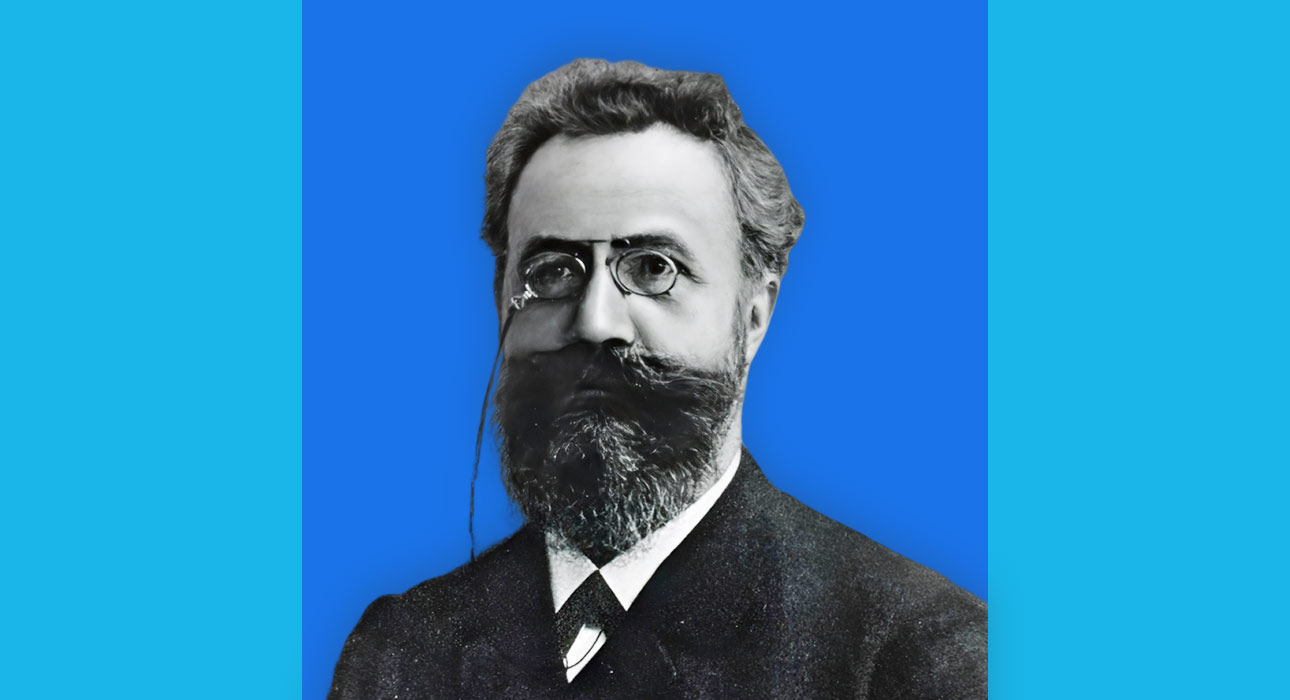
Ebbinghaus Forgetting Curve: How Memory Fades Over Time

Memory is a process of an active system that consists of three stages. The first is encoding, where the information is given by the sensory processes; the second process is storage, where the information is held for some period of time. The third and last process is retrieval, where the information is used in a
Read More
Cognitive Learning

Information Processing Theory in Psychology

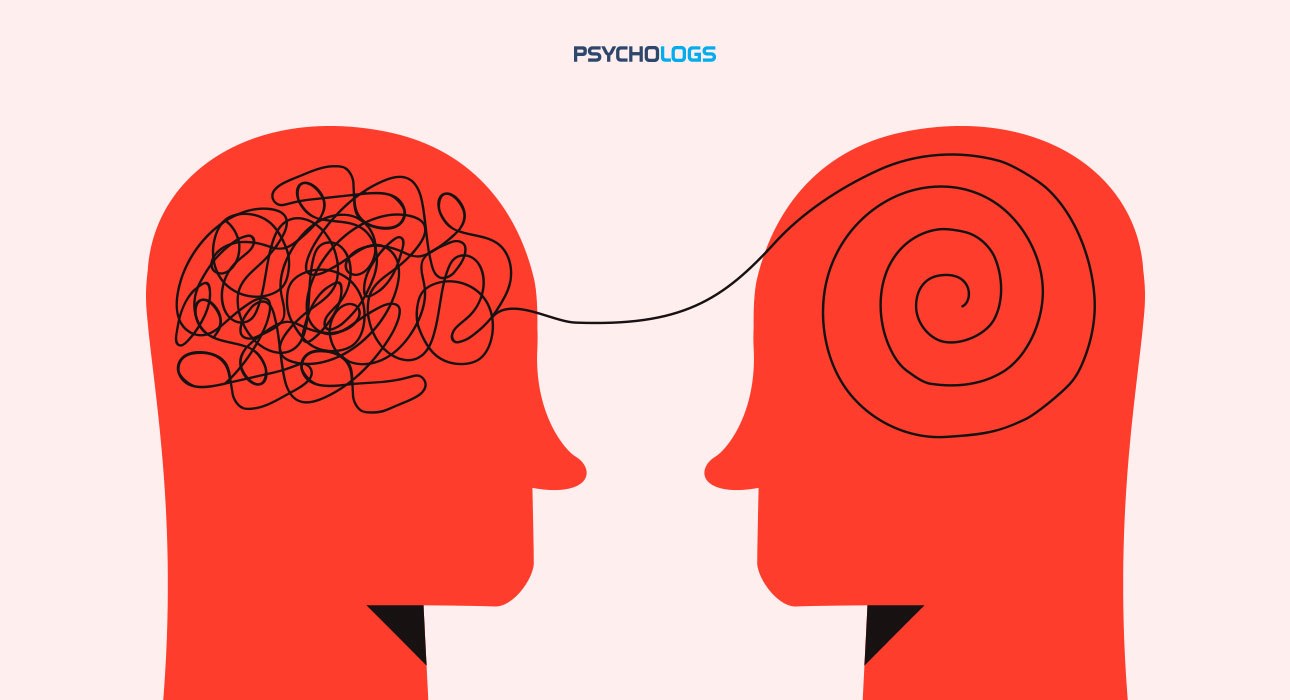
Have you ever gone into a room and then completely forgotten the reason why? Or read a whole page in a textbook, then realised you don’t remember much of anything. Each of these examples illustrates a general phenomenon about the human mind: information does not become memory automatically; it must be taken in, selected, processed,

Read More
Cognitive

Two Systems, One Mind: Understanding Human Cognition Through Dual Process Theory

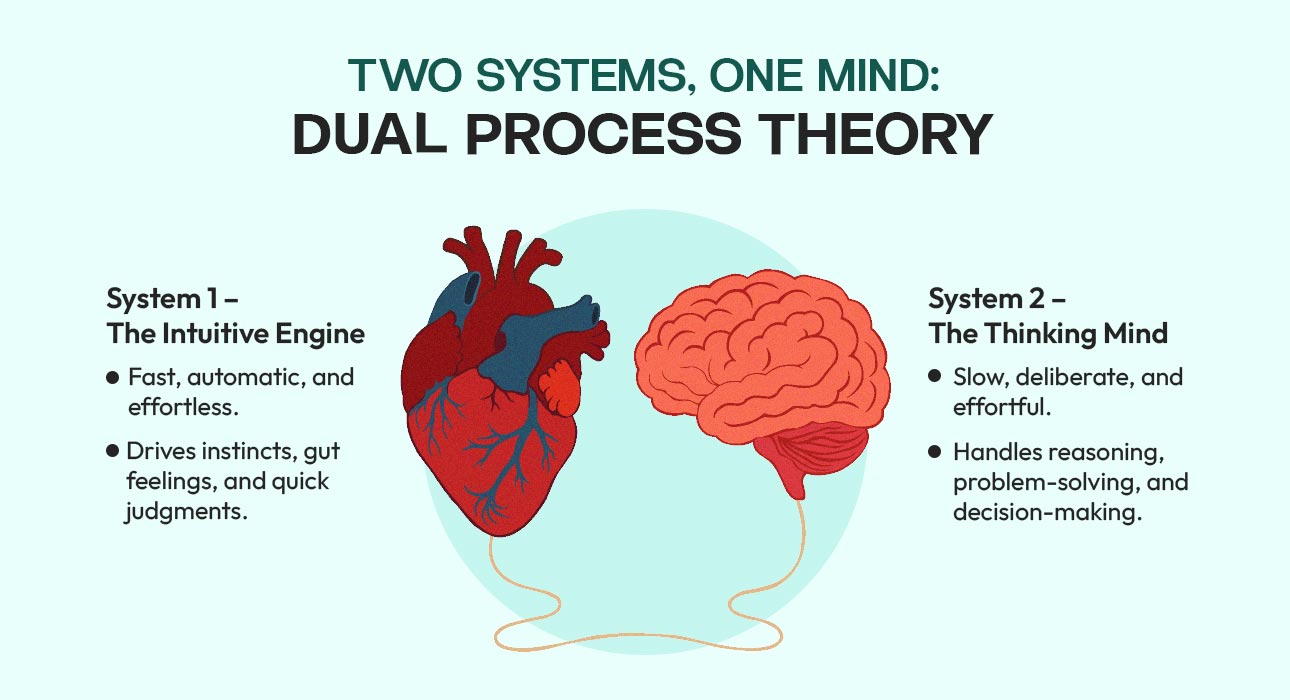
The human mind looks a lot like a single powerful processor, but modern cognitive science tells us a very different story of a “divided” architecture. Under the Dual Process Theory, which now informs our view, our thinking, judgment, and behaviour flow from two completely distinct modes of thought. Known as System 1 and System 2,

Read More
Cognitive

The Purpose and Scope of Multiple Intelligences in Education

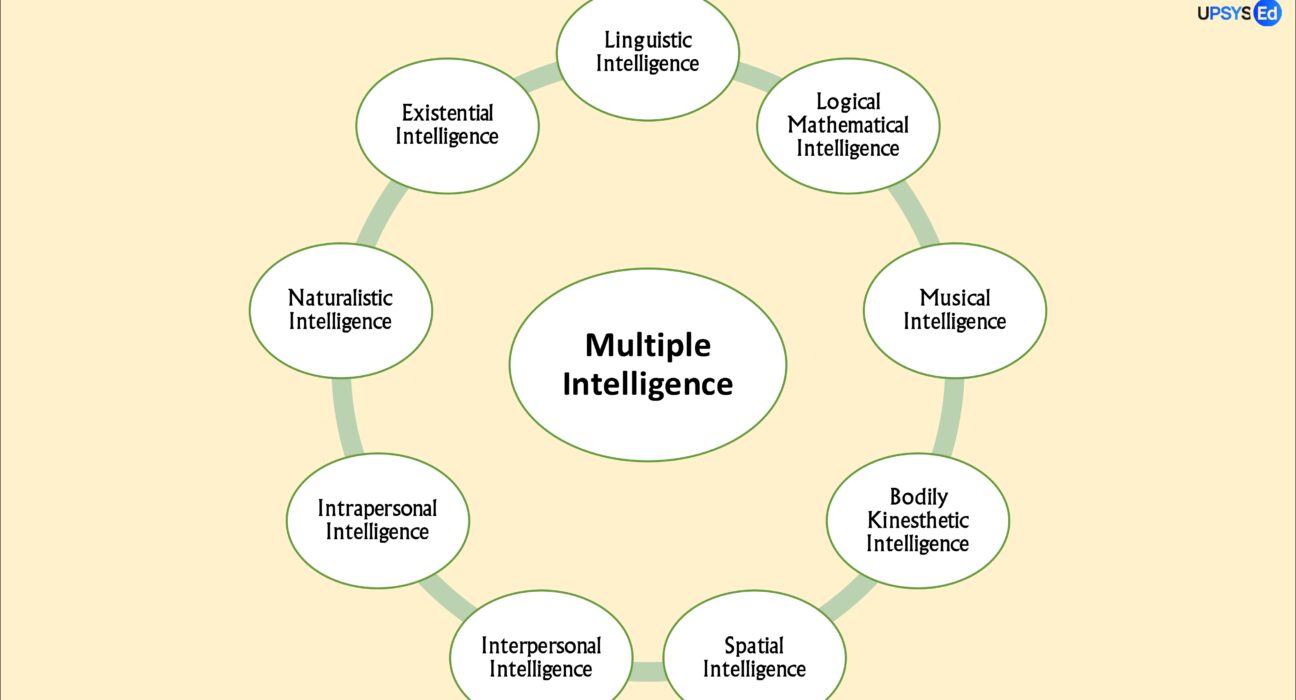
The concept of intelligence has for many years fascinated psychologists, educators, and philosophers. For many years, intelligence tests attempted to measure intelligence, and intelligence was thought to be a single ability of problem-solving skills and logical thinking. But this rather narrow view was shattered by Gardner’s new set of the Theory of Multiple Intelligences (MI)

Read More
Cognitive

Placebo vs. Nocebo: Can Belief Heal Or Hurt You?

Think of taking a sugar pill and noticing your headache disappear like it had not even existed, or going so far as to feel nauseous simply because you think the pill may harm you. This isn’t a plot twist from a science fiction movie; it’s science, not fiction. Let us step inside the fascinating world

Read More
Cognitive

Mere Exposure Effect

You head to the supermarket to pick up a box of cereal. You don’t have much idea about other brands, but you buy one because it sounds familiar—you’ve seen or heard it on television commercials or in the supermarket aisle previously. Afterwards, while driving home from the store, a song comes up on the radio.

Read More
Cognitive

The Five Stages of Memory 

Memory is strange. We suddenly remember random jingles from childhood ads. And then there are times when we meet someone and instantly forget their name. This can be quite perplexing. Why does this happen? What makes some information stick while the rest of it just disappears into the void?  Turns out, memory is not just

Read More
Cognitive

Psychology of Deception

Lying is as old as the life of man itself. White lies to fat lies, we lie occasionally to rescue others, some to rescue ourselves. But why? And how do we know that other people lie to us? Let us explore the fascinating world of lying and find out the psychological tricks of lying. Why

Read More
Cognitive

Loss Aversion Explained: What Shapes Our Fear of Losing? 

Remember the sinking feeling of misplacing something valuable or watching a dream opportunity slip away? Loss has a heaviness to it and feels more personal than gain. But why? The answer lies in a cognitive bias known as loss aversion.  Understanding Loss Aversion  Loss aversion is the psychological phenomenon where the pain of losing feels far

Read More
Cognitive

Cognitive Overload: Why Your Brain Struggles to Keep Up

There may be days when you find it difficult to manage multiple tasks all at once to the extent that you feel extremely overwhelmed. You might lose track of time while juggling between deadlines, social life and schedules. Such days can make you feel numb about your feelings. Instances like these are nothing but a

Read More