


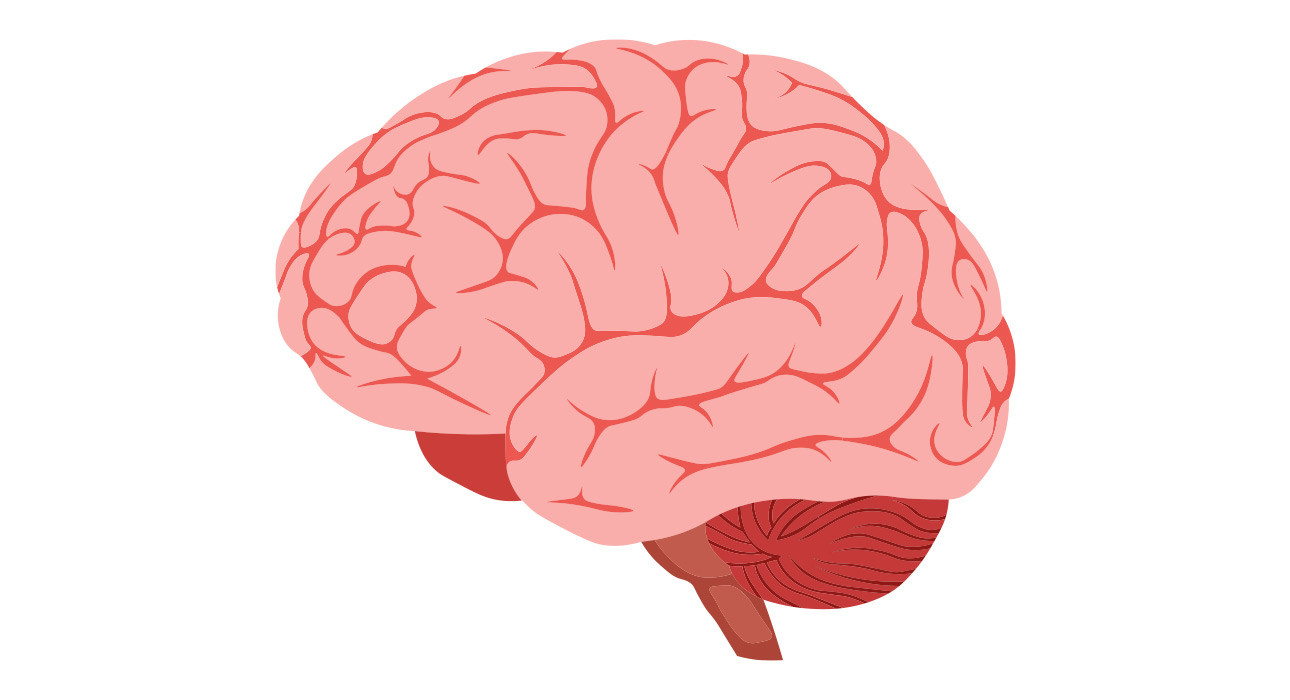
The group of neurodegenerative disorders that initially affect the frontal and temporal lobes of the brain are known as frontotemporal dementia (FTD). For example a loved one who suddenly begins acting in ways that feel unrecognizable and doing inappropriate acts at inappropriate moments, struggling to act and express to find simple words.
It often presents with changes in behaviour, personality, language, and decision-making, it reshapes the social and linguistic fabric of a person’s identity when compared to Alzheimer’s disease which usually begins with memory loss. FTD is one of the most common dementias in people who are under the age group of 65 years which makes it very critical to recognize it at the early stage making it very challenging dementias to diagnose and manage (Bang et al., 2015).
Brain Regions and Neural Changes
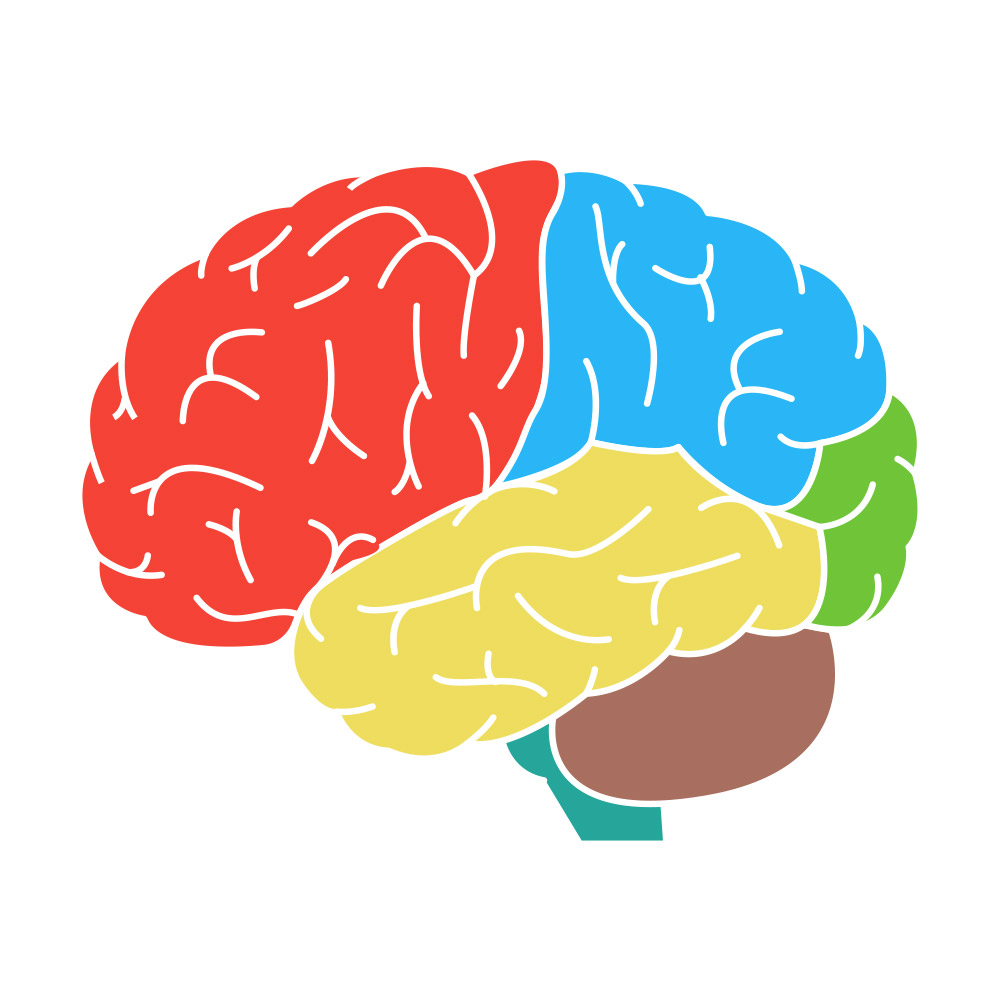
The lobes present in the brain, the frontal lobes are the most centrally used and they execute various functions, social behaviors, and personality displays. If the central part is damaged it will lead to disinhibition, apathy, and impaired judgement.

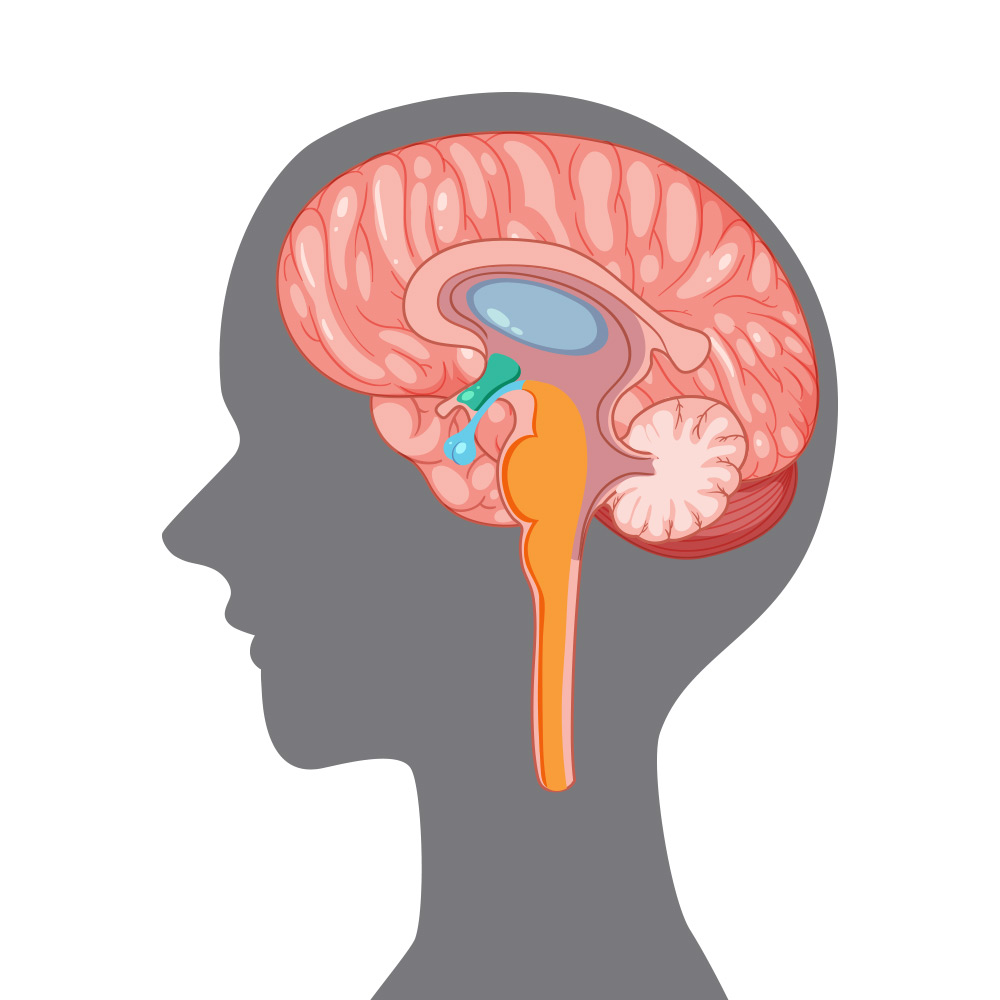
Particularly in the anterior region of the brain lies temporal lobes which are the most important for understanding of language and semantic knowledge which means the degeneration results in word-finding difficulties and loss of their meanings (Rascovsky et al., 2011). From the context of neuropathologically, the abnormal protein deposit where proteins are tau and TDP-43, which are responsible to disrupt neuronal function and cause progressive atrophy associated with FTD (Bang et al., 2015).
Forms of Frontotemporal Dementia
The nature of Frontotemporal dementia is heterogeneous because it comes up with several specific and distinct clinical presentations (Rascovsky et al., 2011; Seelaar et al., 2011).
- Behavioural variant frontotemporal dementia (bvFTD): Characterized by personality changes, loss of empathy, repetitive behaviors, and socially inappropriate actions.
- Primary progressive aphasia (PPA): A language‑based form with two variants. The semantic variant involves loss of word meaning, while the nonaffluent variant is marked by effortful, halting speech (Gorno‑Tempini et al., 2011).
- Movement‑related frontotemporal dementia: Involves motor symptoms such as tremor, rigidity, and poor coordination. These symptoms overlap with conditions like Parkinsonism (slowness of movement, stiffness, tremor), corticobasal syndrome (asymmetrical rigidity, apraxia, difficulty using limbs), and progressive supranuclear palsy (balance problems, falls, difficulty moving the eyes).
- Frontotemporal dementia with amyotrophic lateral sclerosis (ALS) overlap: Combines behavioural and language changes with progressive muscle weakness. ALS, also known as Lou Gehrig’s disease, is a motor neuron disorder that causes muscle wasting, weakness, and eventual paralysis. In this overlap, patients experience both cognitive decline and ALS‑like symptoms such as muscle weakness and impaired speech.
Neurological Mechanisms behind Frontotemporal Dementia
Frontotemporal dementia arises from progressive degeneration of the frontal and temporal lobes but the underlying mechanisms are rooted in abnormal protein biology and disrupted neural circuits.
1. Proteinopathies
There are two most common proteins implicated are tau and TDP-43. Tau normally stabilizes microtubules in neurons, but in frontotemporal dementia it becomes abnormally phosphorylated, forming tangles that disrupt transport and communication between cells. TDP-43, a DNA/RNA binding protein which mislocalizes from the nucleus to the cytoplasm which forms toxic aggregates that interfere with gene regulation and synaptic function (Bang et al., 2015; Grossman et al., 2023).
2. Circuit Disruptions
- Frontal lobe networks degenerate the orbitofrontal cortex and anterior cingulate impairs inhibition and social cognition which explains disinhibition, eating compulsively and lack of empathy.
- Temporal lobe networks where damages occur to the anterior temporal cortex and superior temporal gyrus which disrupts semantic memory and language comprehension that leads to word-finding difficulties and loss of meaning (Gorno-Tempini et al., 2011).
- Frontostriatal circuits this involves movement-related variants that is responsible in degeneration which extends upto basal ganglia pathways producing motor symptoms like rigidity, tremor and poor coordination.
3. Genetic Mechanisms
Where mutations in genes like MAPT (microtubule-associated protein tau), GRN (progranulin) and C9orf72 (hexanucleotide repeat expansion) contribute to familial forms of frontotemporal dementia. These mutations alter protein processing, neuronal survival and synaptic signaling which accelerates neurodegeneration (Seelaar et al., 2011).
4. Neuropsychological Experience
It happens when the neurological damage translates into lived symptoms. For instance, orbitofrontal dysfunction explains why patients may laugh at inappropriate times or fail to recognize social boundaries. Temporal lobe degeneration accounts for the heartbreaking loss of word meaning, where familiar objects or names suddenly feel foreign. In ALS overlap the motor neuron degeneration produces muscle weakness and speech difficulties which compounds the cognitive decline.
Behavioural and Language Symptoms
The individuals with behavioural variant frontotemporal dementia usually indicate actions which are socially inappropriate, eating compulsively especially sweets or high sugar containing food items. Often apathy is mistaken for depression, and lack of empathy (Bang et al., 2015). The behavior displayed reflects dysfunction in the frontal lobe specifically in circuits which are responsible for regulating inhibition and social cognition.
In context to primary progressive aphasia, domination in language difficulties are seen. The semantic variant involves loss of word meaning, while the nonfluent variant is marked by effortful, halting speech (Gorno-Tempini et al., 2011). The frontal lobe degeneration is also a cause for the inability in the processes of planning, organizing, and problem-solving which leads to poor financial decision making or the inability to manage daily basis tasks for everyday life (Rascovsky et al., 2011).
Challenges faced in Diagnosis
The diagnosing process of frontotemporal dementia is difficult as the early behavioural symptoms usually mimic psychiatric disorders like depression, bipolar disorder, or schizophrenia (Bang et al., 2015). In addition, frontotemporal dementia is often confused with Alzheimer’s disease. However, Alzheimer’s disease typically begins with memory loss, whereas frontotemporal dementia more often involves changes in behaviour, personality, or language. The tools used for diagnosis of frontotemporal dementia:
- Neuroimaging: Scans like MRI or PET indicate atrophy in frontal and temporal lobes.
- Genetic testing: In cases such as mutations in genes such as MAPT, GRN, and C9orf72 are all connected to frontotemporal dementia (Seelaar et al., 2011).
- Neuropsychological assessments: To evaluate the individual’s functionality of execution, language, comprehension and social cognition.
Approaches for Interventions and Treatment
Currently, no cure exists for frontotemporal dementia (FTD). Treatment primarily focuses on managing symptoms and supporting the mental and physical well-being of patients and their caregivers.
- Pharmacotherapy: The medicines used such as selective serotonin reuptake inhibitors (SSRIs) might be able to reduce compulsive or repetitive behaviors; medicines which are antipsychotics can help with agitation though it should be used cautiously because of its side effects mentioned (Bang et al., 2015).
- Speech therapy: In primary progressive aphasia (PPA) it helps the patients maintain language and comprehension skills.
- Physical and occupational therapy: These types of therapies help to manage the disorders related to movement and coordination of the brain and body and daily functioning’s of an individual.
- Care strategies: The caregivers should be provided with routines which are well-structured and should be provided with proper environmental adjustments. For example, limiting the food access for those with compulsive/ repetitive eating behaviour and should be provided with the access of support groups for caregivers which can improve their quality of life (Gorno-Tempini et al., 2011).
The prognosis might vary from different individuals but the average life expectancy is 7-13 years after the onset of symptoms (Seelaar et al., 2011).
Conclusion
Frontotemporal dementia (FTD) displays how degeneration of any specific brain region leads to specific behavioural and language syndromes. Frontotemporal dementia has several forms, including the behavioural variant, primary progressive aphasia, movement-related variants, and forms associated with amyotrophic lateral sclerosis (ALS). Together, these forms highlight the diverse ways in which damage to the frontal and temporal lobes can affect behaviour, language, and movement.
Frontotemporal dementia illustrates how molecular pathology and circuit disruption converge to reshape behaviour and language. Tau and TDP-43 protein aggregates, along with genetic mutations, contribute to frontotemporal dementia. Additionally, the degeneration of frontal and temporal brain networks leads to profound changes in personality, empathy, and communication. By linking these neurological mechanisms to clinical symptoms, we can better understand the effects of the disorder. Moreover, frontotemporal dementia is not merely a medical condition; it can also transform a person’s identity.
Diagnosing frontotemporal dementia (FTD) is complex because its symptoms often overlap with those of other psychiatric conditions and types of dementia. However, advances in brain imaging and genetic testing are improving the accuracy of FTD detection. Although no cure currently exists, multidisciplinary care that combines medication, therapy, and caregiver support can significantly improve quality of life.
References +
- Antonioni, A., et al. (2023). Frontotemporal dementia, where do we stand? A narrative review. International Journal of Molecular Sciences, 24(14), 11732. https://doi.org/10.3390/ijms241411732
- Bang, J., Spina, S., & Miller, B. L. (2015). Frontotemporal dementia. The Lancet, 386(10004), 1672–1682. https://doi.org/10.1016/S0140-6736(15)00461-4
- Boeve, B. F., Boxer, A. L., Kumfor, F., et al. (2022). Advances and controversies in frontotemporal dementia: Diagnosis, biomarkers, and therapeutic considerations. The Lancet Neurology, 21(3), 258–272. https://doi.org/10.1016/S1474-4422(21)00356-8
- Gorno‑Tempini, M. L., Hillis, A. E., Weintraub, S., Kertesz, A., Mendez, M., Cappa, S. F., … Grossman, M. (2011). Classification of primary progressive aphasia and its variants. Neurology, 76(11), 1006–1014. https://doi.org/10.1212/WNL.0b013e31821103e6
- Grossman, M., et al. (2023). Frontotemporal lobar degeneration. Nature Reviews Disease Primers, 9(1), 47. https://doi.org/10.1038/s41572-023-00447-0
- Piguet, O., Hornberger, M., Mioshi, E., & Hodges, J. R. (2011). Behavioral‑variant frontotemporal dementia: Diagnosis, clinical staging, and management. The Lancet Neurology, 10(2), 162–172. https://doi.org/10.1016/S1474-4422(10)70299-4
- Rascovsky, K., Hodges, J. R., Knopman, D., Mendez, M. F., Kramer, J. H., Neuhaus, J., … Miller, B. L. (2011). Sensitivity of revised diagnostic criteria for the behavioural variant of frontotemporal dementia. Brain, 134(9), 2456–2477. https://doi.org/10.1093/brain/awr179
- Rosso, S. M., Donker Kaat, L., Baks, T., et al. (2003). Frontotemporal dementia in the Netherlands: Patient characteristics and prevalence estimates from a population‑based study. Brain, 126(9), 2016–2022. https://doi.org/10.1093/brain/awg204
- Seelaar, H., Rohrer, J. D., Pijnenburg, Y. A. L., Fox, N. C., & van Swieten, J. C. (2011). Clinical, genetic and pathological heterogeneity of frontotemporal dementia: A review. Journal of Neurology, Neurosurgery & Psychiatry, 82(5), 476–486. https://doi.org/10.1136/jnnp.2010.212225
- Ulugut, H., et al. (2023). Frontotemporal dementia: Past, present and future. Alzheimer’s & Dementia, 19(6), 13363. https://doi.org/10.1002/alz.13363