



Alzheimer’s disease is a neurological condition that has a major impact on the brain and its functioning. Cognitive abilities, including reasoning, problem-solving, and memory, deteriorate as a result of this type of dementia. Dr Alois Alzheimer first brought a patient of this disease into the public eye in the year 1907. The patient was a 51-year-old woman who faced problems with her deteriorating memory and other psychiatric disturbances. The disorder was therefore named after her.
Although people often use Alzheimer’s disease (AD) and dementia interchangeably, various underlying conditions that cause pathological changes in the brain lead to dementia, which is a symptom complex. Alzheimer’s disease causes 60% to 70% of cases of increasing cognitive impairment in older adults. Some conditions other than AD that cause dementia are vascular dementia, frontotemporal dementia, and Lewy body dementia.
Moreover, AD could be familial or inherited, which manifests later in a person’s life, or it could be sporadic Alzheimer’s, which is not inherited and occurs later.
Alzheimer’s Disease and The Brain

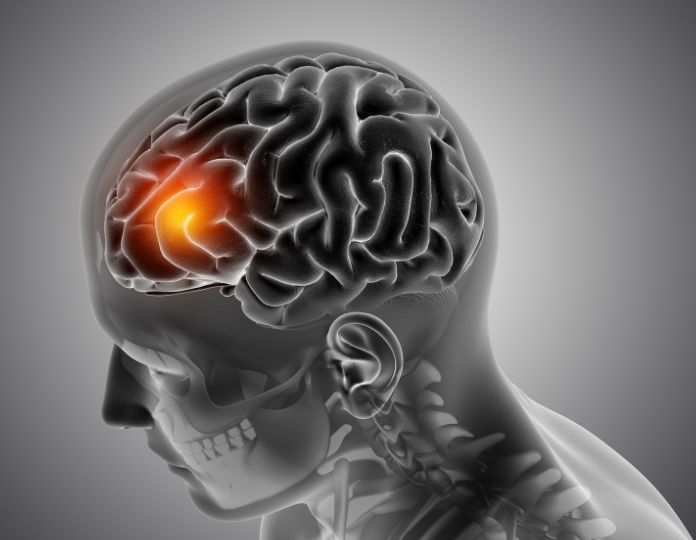
Since AD is a neurological condition, it is mainly concerned with neurons and their functioning. A neuron is the basic unit of the nervous system and is responsible for effective communication between the brain and the rest of the body through chemical and electrical signals. They are made up of three parts that are responsible for effective communication: the cell body, dendrites, and axon.
- The impulses or neurotransmitters from neighbouring neurons are received by the dendrites and are then sent to the cell body.
- The cell body or soma carries out the management of the activities of a cell. In addition to producing energy and synthesising proteins, it contains the nucleus and keeps the cell healthy.
- An axon, in a neuron, is a long projection that is responsible for carrying electrical impulses or action potentials from the cell body to the target tissue or to the dendrites of another neuron to carry out a particular activity.
AD develops when the functioning of neurons is disrupted. It includes the death of neurons, defective communication, etc. The survival of a neuron depends on various factors. Some of them are
1. Repair and Remodel
Neurons survive for a long time in the human body, some even for a lifetime. This is why the neurons constantly need to be repaired and remodelled to be functional. Furthermore, the human brain can create new neurons. This process is known as neurogenesis. It has been discovered that neurogenesis declines in Alzheimer’s disease in the parts of the brain in charge of cognitive processes like memory and learning, as well as brain repair.
2. Communication
Neurons need to constantly communicate with other neurons and body tissues to transmit electrical impulses and neurotransmitters. This connection between the neurotransmitter molecule and the receptor site of the dendrite is known as a synaptic connection. This synaptic connection is prominent across the brain network and is essential for the survival of neurons. Loss of these connections leads to cognitive decline in an individual and is the main cause of Alzheimer’s disease.
3. Metabolism
The breakdown of molecules and nutrients inside a cell, known as metabolism, is essential to the survival and proper operation of cells. Cells need energy in the form of glucose and oxygen to carry out this activity, and the blood flowing through the brain provides these nutrients. The brain takes up the major blood supply and consumes up to 20% of the body’s overall energy, which is more than any other organ. Because neurons need a lot of energy, there is a drop in energy production and a decrease in glucose entering the brain in Alzheimer’s patients.
Causes and Risk Factors


1. Causes
As discussed previously, Alzheimer’s disease is caused by neural changes or disruptions in the brain. These changes could be
- AD is characterised by a buildup of beta-amyloid proteins in the brain. These proteins form a protofilament, and these protofilaments form amyloid plaques. These plaques disrupt the communication between neurons and communication between neurons and tissues, leading to neuronal dysfunction.
- Tau tangles, also known as neurofibrillary tangles or NFTs, are the abnormal accumulation of the tau protein in neurons. This protein is used to bind and stabilise the microtubules that guide molecules and nutrients. This damage cuts off the supply of essential transportation of molecules and nutrients.
- Neuroinflammation can cause neural damage, which is driven by overactivation of the immune system. Various types of immune cells and support cells, like microglia and astrocytes, release inflammatory chemicals when they are overactive, leading to impairment in brain function, ultimately leading to Alzheimer’s disease.
- As these plaques and tangles accumulate, the communication between neurons starts to decrease. This reduced communication may often lead to brain shrinkage.
2. Risk Factors
- One of the major risk factors for Alzheimer’s disease is age. Although the risk rises with age, it is not always a result of growing older. According to studies, the risk of Alzheimer’s disease is estimated to double every five years beyond the age of 65 and to affect over one-third of those over 85 years.
- Chronic sleep disturbances like insomnia or sleep apnea are also linked to Alzheimer’s disease. Poor sleep quality impairs the ability of the brain to clear beta-amyloid proteins.
- Genetic factors also contribute to the manifestation of AD. Family history increases the likelihood of developing this disease, particularly if the affected relatives are first-degree relatives, like parents and siblings.
- This type of dementia is more common in women than in men. Hormonal changes after menopause and the interaction of estrogen with the brain may also play a role here. Moreover, women live longer than men, which makes them more susceptible to this disease due to the age factor.
- Head injuries are also a risk factor for Alzheimer’s disease, especially if these injuries are severe or repeated. Sports-related concussions and military combat injuries are particularly significant contributors.
- Lifestyle and cardiovascular health are also linked to increased risk of Alzheimer’s. Poor cardiovascular health includes obesity, high blood pressure or hypertension, diabetes, and high cholesterol levels of hypercholesterolemia. Moreover, lifestyle routines like poor dietary habits and nutrition and exposure to environmental toxins and pollution can cause neurodegenerative changes in the brain.
Symptoms and Stages

The symptoms of Alzheimer’s do not appear suddenly but rather progress slowly over several years. At times, one might discard them as simply the effects of ageing, and help might only be taken when the symptoms start to get severe. Moreover, there are other conditions like smoking, diabetes, substance abuse, and depression that might worsen the condition. Normally, there are 3 stages that patients of Alzheimer’s disease go through over many years. These stages are
1. Early Stage and Its Symptoms
This early stage of AD is termed the ‘mild’ stage. Here, the person usually deals with memory issues and lapses. Symptoms in the early stage could be as follows
- Asking the same question numerous times.
- Impairment in the decision-making process.
- Becoming more sceptical about trying new things.
- Becoming less flexible to any event or situation.
- Difficulty in remembering events, places, and people.
- Subtle changes in mood, such as apathy or irritability.
- Difficulty in remembering even recent events or conversations.
- Mild disorientation, especially in unfamiliar or unknown places and situations.
- Losing or misplacing items and not being able to remember where they put them.
- Facing problems in communication due to not being able to remember the right words.
2. Middle Stage and its Symptoms
In the middle stage, the symptoms shift from mild to moderate. The memory issues here worsen over time, and the AD patients find it increasingly hard to remember names, places, faces, and events.
- Impairment in speech.
- Problems with language.
- Experiencing mild delusions.
- Disrupted sleep cycle and patterns.
- Increased impulsive and repetitive behaviour.
- Failing to recall personal information and history, among other vital details.
- Finding it challenging to manage everyday tasks such as reading the clock or managing finances.
- Getting paranoid and having untrue feelings towards people around them, such as their family and caregivers.
- Escalation in disorientation and bewilderment, such as getting lost or roaming around without knowing the time of day.
- Frequent and visible changes in mood can be seen. They become increasingly aggressive, anxious, irritable, and agitated.
- Increased problems in spatial tasks like packing a suitcase or avoiding the centre table while walking in the living room.
3. Last or Later Stage and its Symptoms
Here, every symptom listed in the early and moderate phases gets worse. The patients start to lose track of their acquaintances, relatives, and names. Furthermore, there can be a significant loss in communication and memory in the patient.
- Risk of developing pneumonia.
- Loss of bladder and bowel control.
- A significant weight reduction is possible.
- The speech and language are completely lost over time.
- Increased vulnerability to environmental toxins and weakened immunity.
- Severe impairment in physical abilities, like walking or even sitting upright.
- Development of delusions and hallucinations might take place in this stage.
- Development of dysphagia (Difficulty and pain while swallowing food and water)
- The patients need full-time assistance from a caregiver for almost all the activities of daily living.
- Complete dependence on the caregivers, even for simple everyday activities like brushing their teeth and taking a bath.
Diagnosis
Now that we have familiarised ourselves with the basic concept of Alzheimer’s disease, its causes, risk factors, and symptoms, we should move toward its diagnosis and the steps involved in it. While the disease is not completely curable, early diagnosis can help with its effective management. The diagnosis involves
1. History and Physical Examination
Here, a detailed review of the symptoms is given by the patient or the informant in case the patient is unable to. It includes the person’s current physical and mental health, problems faced, past medications, current medications, family history of medical issues, etc. Moreover, physical examinations are performed to rule out other causes of cognitive decline.
2. Cognitive and Neurological Testing
A variety of tests, such as the Montreal Cognitive Assessment (MoCA), are used to evaluate various cognitive abilities, including language, memory, and problem-solving. Neurological testing might involve testing reflexes, balance and coordination, motor abilities, sensory abilities (sight and hearing), and muscle strength. These tests rule out other neurological disorders that may be causing Alzheimer ’s-like symptoms.
3. Imaging Techniques
The amyloid plaques or tau tangles can be located with the help of brain imaging techniques like magnetic resonance imaging (MRI), positron emission tomography (PET), and computerised tomography (CT). They give a proper view of the brain. These characteristics can be directly linked to Alzheimer’s disease, hence ruling out other conditions that cause similar symptoms.
4. Lab Tests
Blood tests are conducted to rule out other factors that may be causing the symptoms, such as vitamin deficiencies and thyroid disorders. Recently developed blood tests can also effectively measure the accurate count of tau protein and beta-amyloid protein.
5. Biomarker Tests
Recent research has focused more on the biomarkers that provide information about the presence, progression, and risk management of AD. There are various types of biomarkers, like biomarkers for tau pathology, biomarkers for amyloid pathology, and biomarkers for neurodegeneration and brain entropy. They reflect any abnormalities in the brain and help to plan an effective course of treatment. But they are not as widely available as other brain imaging techniques like PET, especially in low-resource settings.
Treatment and Management
As we are all aware, there is no complete cure or treatment for Alzheimer’s disease.
1. Medications
Medications like cholinesterase inhibitors are prescribed for patients with AD with mild symptoms. They might help minimise the behavioural and cognitive symptoms of the individual, providing relief and assistance to their caregivers.


These drugs work towards reducing the amyloid plaques formed in the neurons. N-methyl-D-aspartate (NMDA) is prescribed in cases of middle to later-stage AD. This medication makes it possible for the patient to continue with their activities of daily living with minimal assistance.
These medications also have side effects like nausea, allergic reactions, vomiting, loss of appetite, dizziness, etc. The doctors prescribe a low dose, in the beginning, to see the tolerance level of these medicines in the patient and then increase the dose accordingly. Experts think that for behavioural problems, various therapies and interventions should be tried before resorting to medications.
2. Non-Pharmacological Interventions
Different therapies, adjustments, and interventions are administered before opting for medications. This is necessary since medications have various side effects and can cause long-term harm to the patient. These interventions aim to improve overall lifestyle and mental functionality, and address behavioural symptoms like irritability, agitation, and anxiety.
- Cognitive and behavioural interventions like Cognitive Stimulation Therapy (CST), reality orientation therapy, and cognitive training can help to improve the patient’s mood and make them more aware of their surroundings. Moreover, it may slow cognitive decline by increasing brain plasticity.
- Physical activities can also help to maintain physical independence, improve balance, and reduce stress. These physical activities can include walking, swimming, and focusing on muscle coordination to minimise fall risk and enhance overall physical and mental health. Moreover, if the patient can’t move much for these physical exercises, they can be combined with mindfulness to promote relaxation. Yoga and tai chi are a few examples of this type of physical activity.
- If the person faces severe problems with movement, sensory and environmental interventions can be incorporated. This may include art therapy, music therapy, aromatherapy, multisensory stimulation, and more. These interventions may be able to calm anxiety, reduce agitation and irritability, promote self-expression, and enhance engagement with their surroundings.
- It helps to know that there are people out there who are just like you. This is why social and emotional support is essential. Group activities, support groups, and validation therapy can help to reduce isolation, improve well-being, reduce stress, build trust, and provide a sense of belongingness to the patients. They might also foster social interactions and gain practical advice for their problems.
- Behaviour is also a major problem for patients with Alzheimer’s disease and for people around them as well. These behaviours are manageable up to a certain extent. Personalised care approaches can be adopted by the patient and their caregivers. It includes understanding their preferences, triggers, and routines. Distractions can then be planned accordingly. The behaviours can also be positively reinforced to encourage cooperation and build self-esteem.
3. Caregiver Support
It is essential to provide the caregivers with all the support, resources, and training possible. The caregivers must be healthy, both physically and mentally. Since caregiving can be a demanding and exhausting job, it is necessary for caregivers to take care of their mental health as well.
Conclusion
Alzheimer’s disease has a profound effect on the individual, their families, and friends. It develops gradually over the years and has a significant impact on the brain and its functioning. While this condition is not curable, there are a few steps to ensure that a person leads a functional life for as long as possible. Understanding the disease, aiming for early diagnosis, and supporting the patients and their caregivers during this time is necessary.
References +
- Alzheimer’s Association. (2024). Causes and Risk Factors. Alzheimer’s Disease and Dementia; Alzheimer’s Association. https://www.alz.org/alzheimers-dementia/what-is-alzheimers/causes-and-risk-factors
- Amyloid structure linked to different types of Alzheimer’s disease. (2022, June 2). National Institute on Aging. https://www.nia.nih.gov/news/amyloid-structure-linked-different-types-alzheimers-disease
- Castellani, R. J., Rolston, R. K., & Smith, M. A. (2010). Alzheimer Disease. Disease-a-Month, 56(9), 484–546. https://doi.org/10.1016/j.disamonth.2010.06.001
- Cummings, J. L. (2002). Alzheimer Disease. JAMA, 287(18), 2335. https://doi.org/10.1001/jama.287.18.2335
- Heneka, M. T., Carson, M. J., El Khoury, J., Landreth, G. E., Brosseron, F., Feinstein, D. L., Jacobs, A. H., Wyss-Coray, T., Vitorica, J., Ransohoff, R. M., Herrup, K., Frautschy, S. A., Finsen, B., Brown, G. C., Verkhratsky, A., Yamanaka, K., Koistinaho, J., Latz, E., Halle, A., & Petzold, G. C. (2015). Neuroinflammation in Alzheimer’s disease. The Lancet. Neurology, 14(4), 388–405. https://doi.org/10.1016/S1474-4422(15)70016-5
- Mayo Clinic. (2024, July 10). Alzheimer’s disease – Diagnosis and Treatment. Mayoclinic.org. https://www.mayoclinic.org/diseases-conditions/alzheimers-disease/diagnosis-treatment/drc-20350453
- National Institute on Aging. (2023, September 12). How is alzheimer’s disease treated? National Institute on Aging. https://www.nia.nih.gov/health/alzheimers-treatment/how-alzheimers-disease-treated
- National Institute on Aging. (2024, January 19). What Happens to the Brain in Alzheimer’s Disease? National Institute on Aging. https://www.nia.nih.gov/health/alzheimers-causes-and-risk-factors/what-happens-brain-alzheimers-disease
- NHS. (2021, July 5). Symptoms – Alzheimer’s Disease. NHS. https://www.nhs.uk/conditions/alzheimers-disease/symptoms/