


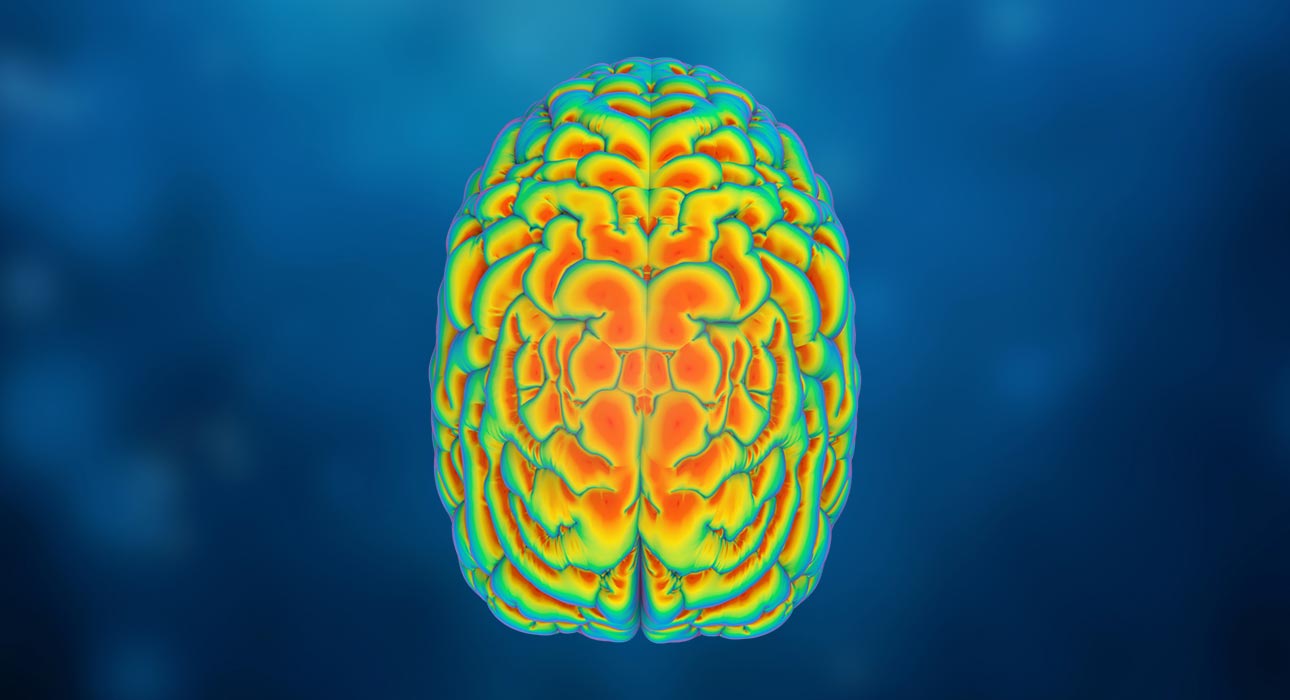
Think about your brain like a great city at night. Billions of neurons are in communication with each other, yet not all are engaged simultaneously. Information is processed by certain networks involved in perception, memory, emotions, attention, and self-perception. This allows the brain to form its perception of reality in a consistent way. But what would reality look like when those usual boundaries between networks were to blur? In fact, the use of psychedelic drugs can be viewed as a great chance to meet the challenge.
Psilocybin, LSD, DMT and Mescaline have a massive impact on perceptions, thoughts, emotions and consciousness. From a neurobiological perspective, the use of psychedelics can be viewed as the disturbance of usual neuron communication patterns and not an increase or decrease of neuronal activity. That is why networks that usually function independently could start communicating in new ways (Girn et al., 2026; Shinozuka et al., 2024). It could not only help to better understand what a person experiences during the use of psychedelics, but also why people research the potential of these substances as medicine.
When the Brain’s Networks Begin to Change
The brain is not one simple system operating independently. It is composed of networks that interact with each other to execute various functions. One of the best-studied is the default mode network (DMN), whose main function is self-reference, autobiographical recall, and self-concept generation. Psychedelic substances seem to disrupt the interaction within networks. According to a meta-analysis of imaging neuroscans conducted in 2024, there is a consistent decrease in functional connectivity within each network and an increase in the inter-network connectivity (Shinozuka et al., 2024).
Hence, psychedelics could loosen the brain’s functional boundaries. The finding was further emphasised in the mega-analysis conducted in 2026 based on 11 fMRI datasets of resting-state activity of five psychoactive substances: psilocybin, LSD, mescaline, DMT, and ayahuasca. The researchers found that in all cases there is an increase in interactions between higher-order networks associated with self-reference and sensory networks responsible for visual and body sensations (Girn et al., 2026).
The Default Mode Network and the Sense of Self
In this case, a reorganisation becomes particularly noteworthy if one takes into account the phenomenon of ego dissolution. It occurs under the effect of psychedelics when a person reports that his ordinary sense of identity has become weaker or that the boundary between him and his environment is less distinct. According to neuroscientific research, alterations in the default mode network can explain this phenomenon. Thus, according to the results of a longitudinal study by Siegel et al. (2024), repeated scans conducted before, during, and after the administration of psilocybin have revealed significant disruptions of the brain functional connectivity, including particularly those involving the default mode network.

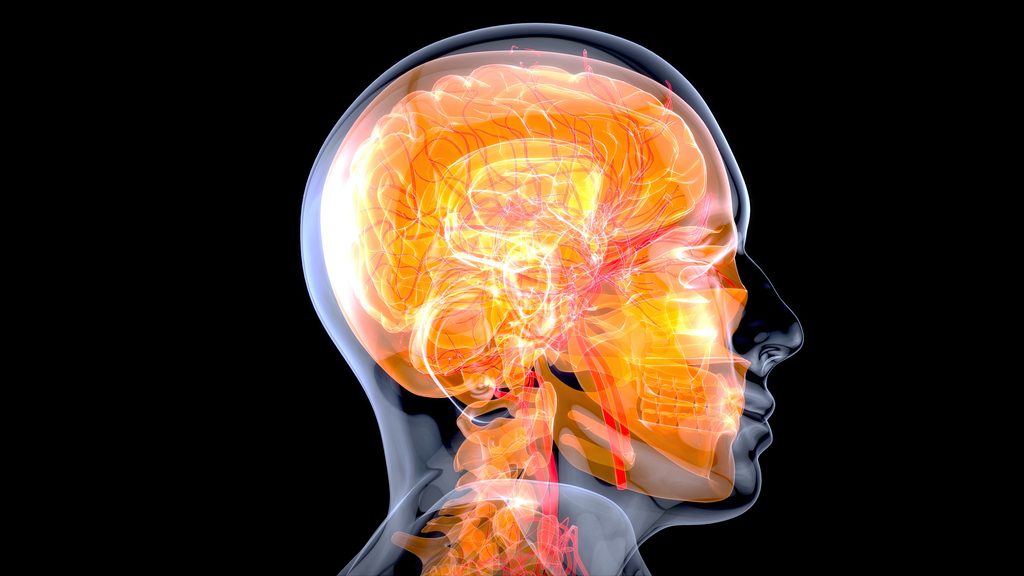
Furthermore, the connectivity between the default mode network and the anterior hippocampus was significantly decreased even several weeks after the psychedelic experience. However, this does not mean that psychedelic drugs only “switch off” the default mode network. On the contrary, all the evidence suggests an alteration of its structure and communication with other brain systems. These changes may be relevant to altered states of consciousness because conscious experience appears to depend on coordinated activity and communication across multiple interacting brain systems (Vollenweider & Preller, 2020).
A Brain That Becomes More Flexible?
However, there is more than just this transient effect on the brain. The field of study is vast, but one of the most interesting directions is related to neuroplasticity, the brain’s capacity for change and adaptation. Pre-clinical studies have provided more specific evidence about how psychedelics may influence neuroplasticity. For example, experiments conducted in cell cultures and animals have shown that serotonergic psychedelics can increase neuritogenesis, spinogenesis, and synaptogenesis, meaning that they can promote the growth and branching of neuronal processes, increase dendritic spine formation, and increase the number and function of synapses.
Researchers have linked these structural changes to signalling involving 5-HT2A receptors, TrkB, and mTOR pathways (Ly et al., 2018). Other preclinical investigations have also reported changes related to neurogenesis and broader forms of plasticity. However, these effects are not identical across all psychedelic substances and depend on factors such as the compound, dose, experimental model, and brain region studied (Lima da Cruz et al., 2024).
This evidence suggests that psychedelics may do more than temporarily alter communication between brain networks; they may also create biological conditions that support structural change in neural circuits. However, most direct evidence for these effects comes from preclinical research. Evidence that psychedelics increase neuroplasticity in humans is still more limited, and scientists have not yet established that increased plasticity directly produces the therapeutic effects observed in clinical studies (Vollenweider & Preller, 2020; Lima da Cruz et al., 2024).
Perception, Prediction, and Consciousness
In addition to this, the alterations to connectivity may tell us more about why experiences under the influence of psychedelics are so alien. They may include vibrant colours, emotionally rich sounds, a distorted sense of time, and associations of seemingly unrelated concepts. Researchers think this happens because increased connectivity between the sensory systems and the interpretational systems of the brain disturbs the balance between them (Girn et al., 2026; Shinozuka et al., 2024).

However, this doesn’t mean that neuroscientists have finally managed to explain consciousness. Neuroimaging can demonstrate associations between changes in brain connectivity and subjective experiences, but these associations do not by themselves explain how changes in brain activity give rise to conscious experience. Current neuroscientific models therefore provide possible mechanisms for altered conscious states rather than a complete explanation of consciousness itself (Carhart-Harris & Friston, 2019).
From Altered States to Potential Therapy
This potential for the use of psychedelics in the treatment of psychological problems has made these changes in brain connections particularly significant. For instance, excessive negativity and inflexible thought patterns of attention and self-assessment may characterise depression. Hence, researchers have proposed that disrupting previously formed neural patterns may facilitate psychological transformation. Indeed, clinical studies have revealed promising results. In a randomised clinical trial conducted on adults suffering from major depressive disorder, a single 25-mg dose of psilocybin accompanied by psychological support led to fast and enduring alleviation of depressive symptoms as compared to an active placebo (Raison et al., 2023).
This study has shown the potential of psychedelic therapy, but the psychological support accompanying the medication is an integral part of this therapeutic technique. Neuroscience may provide an explanation of such results. Disrupting previously existing patterns in brain networks and then providing the opportunity for plasticity of neural circuits may facilitate the development of new cognitive and emotional patterns. Still, this is only a scientific model in its development.
The Limits of the Evidence
Nevertheless, there should also be some reservations when it comes to the excitement related to psychedelics. Although studies on this subject are growing at an accelerated pace, they are usually quite small in scale. Moreover, different experiments utilise different doses, brain imaging techniques, and measures. Additionally, the subjects of the study usually know whether they have taken the psychedelic substance or not. As a result, it becomes very hard to blind the experiment.
Another major drawback exists in the fact that alterations in the connectivity of the brain do not necessarily equal therapeutic benefits. In fact, the experience of a psychedelic drug depends on one’s expectations, state of mind, environment, and therapy itself. What benefits treatment in a carefully monitored setting might harm it in other settings. Thus, researchers need to investigate what exactly affects the therapy process and how long these changes last.
Conclusion
The neurobiology of psychedelic substances begins to unveil a picture of an extremely dynamic brain not evident in normal states of consciousness. The use of psychedelics may have temporary effects on the organisation of neural structures. This may happen because they increase connectivity between usually separate neural networks. Similarly, they may increase connectivity with the systems responsible for self-awareness processing. In addition, they may increase connectivity with processes involved in neuroplasticity. This information may shed some light on the strange phenomenon of altered perception and consciousness. This phenomenon is induced by these substances. Moreover, the same information could possibly account for their increasingly discovered therapeutic qualities.
However, the most fascinating result of all may not be the fact that psychedelics “connect” the brain more. Instead, the most interesting finding could be that the ordinary organisation of the brain is much more flexible than once thought. The brain sometimes enters an abnormal state for a short while. During this time, certain changes take place in it. Therefore, by studying these changes, we may get hints about how the brain works. In particular, they may show how the brain creates our experience of reality. Moreover, they may even reveal how the brain alters itself.
References +
- Carhart-Harris, R. L., & Friston, K. J. (2019). REBUS and the anarchic brain: Toward a unified model of the brain action of psychedelics. Pharmacological Reviews, 71(3), 316–344. https://doi.org/10.1124/pr.118.017160
- Girn, M., Doss, M. K., Roseman, L., Preller, K. H., Palhano-Fontes, F., Pasquini, L., Barrett, F. S., Mallaroni, P., Mason, N. L., Timmermann, C., McCulloch, D. E., Fisher, P. M., Winston, B. S., Moujaes, F., Müller, F., Liechti, M. E., Vollenweider, F. X., Ramaekers, J. G., Kuypers, K., … Bzdok, D. (2026). An international mega-analysis of psychedelic drug effects on brain circuit function. Nature Medicine, 32, 1543–1554. https://doi.org/10.1038/s41591-026-04287-9
- Lima da Cruz, R. V., Leão, R. N., & Moulin, T. C. (2024). Effects of psychedelics on neurogenesis and broader neuroplasticity: A systematic review. Molecular Medicine, 30, 244. https://doi.org/10.1186/s10020-024-01013-4
- Ly, C., Greb, A. C., Cameron, L. P., Wong, J. M., Barragan, E. V., Wilson, P. C., Burbach, K. F., Zarandi, S. S., Sood, A., Paddy, M. R., Duim, W. C., Dennis, M. Y., McAllister, A. K., Ori-McKenney, K. M., Grey, J. A., & Olson, D. E. (2018). Psychedelics promote structural and functional neural plasticity. Cell Reports, 23(11), 3170–3182. https://doi.org/10.1016/j.celrep.2018.05.022
- Raison, C. L., Sanacora, G., Woolley, J., et al. (2023). Single-dose psilocybin treatment for major depressive disorder: A randomised clinical trial. JAMA, 330(9), 843–853. https://doi.org/10.1001/jama.2023.14530
- Shinozuka, K., Jerotic, K., Mediano, P., Zhao, A. T., Preller, K. H., Carhart-Harris, R. L., & Kringelbach, M. L. (2024). Synergistic, multi-level understanding of psychedelics: Three systematic reviews and meta-analyses of their pharmacology, neuroimaging and phenomenology. Translational Psychiatry, 14, 485. https://doi.org/10.1038/s41398-024-03187-1
- Siegel, J. S., Subramanian, S., Perry, D., Kay, B. P., Gordon, E. M., Laumann, T. O., Reneau, T. R., Metcalf, N. V., Chacko, R. V., Gratton, C., … Dosenbach, N. U. F. (2024). Psilocybin desynchronizes the human brain. Nature, 632, 131–138. https://doi.org/10.1038/s41586-024-07624-5
- Vollenweider, F. X., & Preller, K. H. (2020). Psychedelic drugs: Neurobiology and potential for treatment of psychiatric disorders. Nature Reviews Neuroscience, 21, 611–624. https://doi.org/10.1038/s41583-020-0367-2