


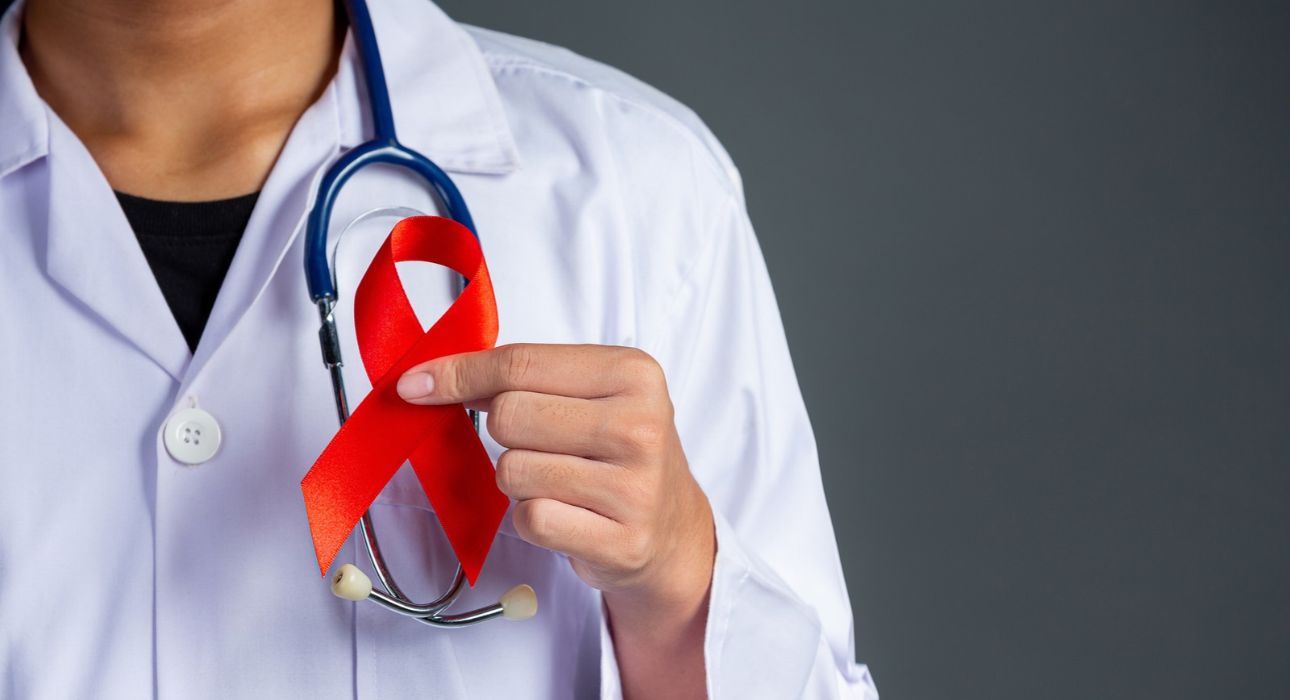
Cancer is an umbrella term that is used to indicate the abnormal growth of cells in the body. When the cells grow abnormally and start to cross boundaries and spread throughout the body, individuals experience pain. These cells later invade other body parts and organs. There are several types of cancer, such as lung, Breast, Prostate, Colon and Rectum, Skin, Stomach, cervical, etc. The aetiology of cancer is a complex process. When normal cells transform into tumour cells, cancer arises.
This transformation happens at multiple stages and develops from a pre-cancerous lesion to a cancerous mass of tissue (malignant tumour). Along with genetic factors, cancer happens to take place when exposed to these agents: Ultraviolet and ionising radiation, also known as Physical Carcinogens; Tobacco smoke, Alcohol, and arsenic, also known as Chemical Carcinogens; and infections from certain viruses, bacteria, or parasites, also known as Biological Carcinogens.
The American Cancer Society (ACS) and the International Agency for Research on Cancer (IARC) estimated that in 2020 there were about 19.3 million new cancer cases. These new cases were mostly reported for Breast Cancer(11.7%) and Lung Cancer(11.4%). It is also estimated that by 2040 the cases will reach up to 28.4 million. When considering mortality cases, it is 10 million, with lung cancer leading (18%), followed by colon cancer (9.4%) and liver cancer (8.3%). Cancer not only comes with physical pain, but it is also accompanied by psychological and emotional pain.
The feelings of anxiety, depression and the feeling of being a burden on the family members remain constant. The treatment and medication for illnesses like cancer are also expensive, making appropriate care inaccessible in the marginalised community. One of the most difficult phases for the patients and caregivers is the phase where both have to develop the acceptance that the patient is not left with much time. This is where psychosocial intervention plays an important role(World Health Organization,2026; Turchi et al.,2021).
What is Psycho-Oncology?
Psycho-Oncology emerged in the late 1970s when society started discussing the disease and gradually overcame the stigma around it. Psycho-oncology is the multidisciplinary field in oncological studies where psychosocial interventions are studied to improve the care for patients with cancer. It is a subdiscipline in oncological studies. Oncology is concerned with the study and research of cancer. Psycho comes from the Greek Word Psyche, which means soul or mind, and Onco is also derived from the Greek word onkos, which is known as mass, which means the study of cancer. Hence, Psycho-Oncology is the study of the relationship between the mind and cancer.

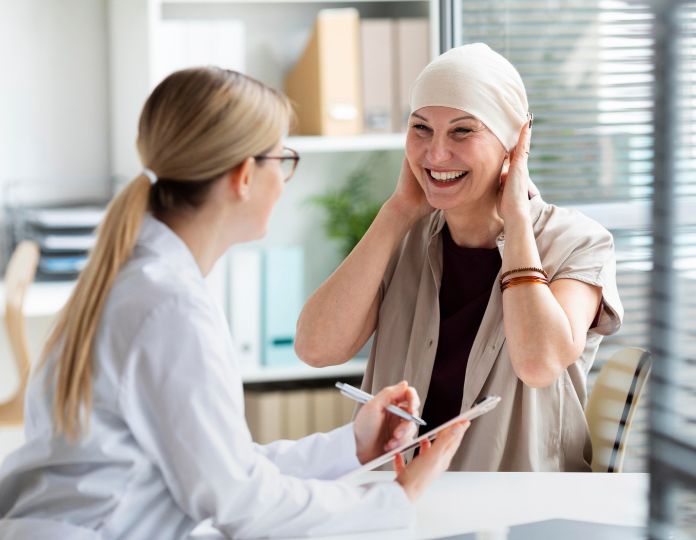
The scope of Psycho-Oncology is broad: it is concerned with two major aspects. The first is the psychological consequences of cancer. This aspect considers the impact of cancer on the patient, caregiver, and career. This aspect also considers how the psychological pain can be minimised, and how optimum medical, surgical and social care can help patients recover.
The second aspect is concerned with the psychological factors and the development of cancer and the outcome of the disease when diagnosed. Mood, Attitude, Coping Style, Stress, and behavioural variables such as smoking, compliance with treatment and medication are considered. When an individual is diagnosed with cancer, he experiences a range of emotions ranging from shock, fear and anxiety, sadness and despair, anger, guilt and shame, relief, a sense of challenge and acceptance(Barraclough,1999; Rollin et al.,2018).
Emergence of Psycho-Oncology
1. How was Cancer Viewed in Society?
During the 1800s, cancer was viewed as death. If an individual was diagnosed with cancer, society believed that there was no hope left to live. There was no cure or known reason. Society believed that the diagnosis should not be disclosed; disclosure was considered inhumane because it left the individual with hopelessness. Cancer was associated with the dominant feelings of shame and guilt because it was believed that cancer was contagious.
During this period, care was provided by religious groups. By the 20th century, anaesthesia and surgery were developed. By this time, if a tumour was detected, it was operated on and removed. Education about cancer gained momentum as different associations and groups were formed to educate people about the initial symptoms of cancer. The American Cancer Society, formed in 1913, made its first attempt to work towards changing the fatalistic attitudes towards cancer. In the 20th century, the work of Madam Curie gave a new direction in the treatment of cancer by introducing radiation.
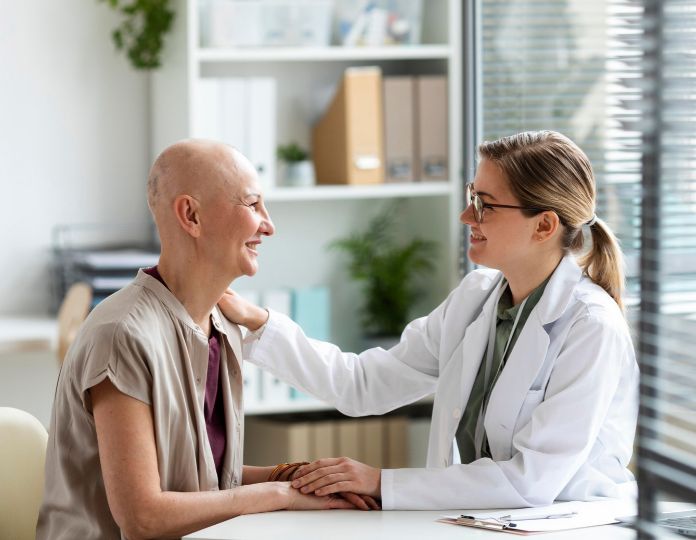
However, radiation had its effects, such as burns and irritation. In 1973, the National Cancer Institute was created in the United States of America. In the early 1950s, the first chemotherapy was achieved. This era also witnessed patient rights and consent for treatment. Considering the psychological support for patients, the only support was through visitors programmes, which were arranged by the American Cancer Society.
Counselling and group therapy were not available back then; patients who feared going for treatment were made to talk to patients who had already received the treatment. Self-help groups were formed by patients. The medical community was not accepting the role of psychological support and the encouragement provided by the patients who had survived(Holland, 2010).
2. How were psychological issues viewed in society?
As far as psychological issues were concerned, they were mostly associated with demonic possession. Patients were isolated in the mental asylum, and they were alienated from society. However, by the 1800s, efforts were made to bring psychiatric issues into general hospitals. The overall attitude towards psychological issues was hostile and indifferent. The timeline below illustrates the development of the study of cancer in psychology:
- 1970s: The first federal support for psychosocial studies was provided. First psychiatric comorbidity studies in cancer were conducted. The Psychiatry Committee Cancer and Leukaemia Group B was founded. The Psychosocial Oncology Group was founded.
- 1980s: This period witnessed an emergence of various associations and societies dedicated to psycho-oncology. British Psychosocial Oncology Society and the International Psycho-Oncology Society were founded; various psychologists contributed to clinical care and cancer research.
- 1990 – 2000: Several journals were published. Guidelines, Clinical Care was also published. Therapy interventions such as quality of life therapy intervention(Holland, 2010).
Though the earlier periods of the 1800s faced challenges with psychological issues, post-1970s the conditions began to improve.
3. 1970s: The beginning of Psycho-Oncology
The subspecialties of Psycho-Oncology officially developed and emerged when it became possible to talk and open up about cancer. Along with this overcoming stigma, there was a rise in social change. The very first reason for this change was the vocalisation of cancer survivors and their inspiring stories of fighting back against the illness. The second reason was celebrities who started advocating and spreading awareness about cancer.
These celebrities made sure to discuss the diagnosis and treatment. For example: Betty Ford, who wrote a book titled ‘ First, You Cry’, a story about her breast cancer journey and Happy Rockefeller. One of the landmark moves of the American Cancer Society was acknowledging psycho-oncology as a legitimate area and encouraging peer-reviewed research. So far, a total of 300 professionals have been trained in the field and have significantly contributed to research.
By the mid-1970s, researchers started focusing on cancer and its comorbidity with psychological disorders. For instance, research studies were conducted on the frequency of depression by identifying the site and stage of cancer. A Behavioural Psychologist emphasized that a lifestyle change can lead to a lower incidence of cancer(Holland, 2010). One of the most prominent works is the development of research models: Research models for psychosocial and quality-of-life research in oncology.
Objectives of Psycho-Oncology
- To encourage the education and training of clinicians who aspire to become trained experts in Psycho-Oncology;
- To promote concern for integration of psychological care in patients with cancer. Integration here focuses on all levels, including the family and society;
- To build a training curriculum in such a way that it will have common themes and aspects of the field that are essential for psycho-oncology professionals;
- To strengthen the study of psychological, social and behavioural factors in preventing and detecting cancer and to explore the behavioural, social, psychological factors on survival.
- To encourage cross-cultural research to understand the common stresses that underlie cancer in each culture (Holland, 2018).
Current Status of Psycho-Oncology
The current status is organised and recognised. Most hospital centres today have trained staff who are available to provide help and psychological support. It is important to consider that some hospitals don’t actually emphasise psychological care and support for patients with cancer, and such hospitals lack trained staff. The composition of the staff includes psychologists, social workers, psychiatrists, nurses, or Clergy. Additionally, conferences also play a crucial role in bringing multidisciplinary fields together. Such efforts were taken in 1973 in North America, where the first-ever conference was held on Psycho-Oncology.
Training programs have also gained momentum, where clinicians are trained on how to offer support during pain, symptoms, and the co-occurrence of psychological disorders. When considering the current status, it is equally important to know the publications. Books, Research Papers, and Review Articles have contributed to the literature of Psycho-Oncology. The Handbook of Psycho-Oncology provides details about the field. In 1990, the European School of Journal published a monograph on Psychological Aspects of Oncology. The Journal of Psycho- Social Oncology was also published in 1982(Holland, 2018).
Understanding the Role of Depression & Anxiety
Patients with depression often consider themselves unworthy of help; because of this, they avoid complaining about the symptoms of depression and cancer. At times, their depressive symptoms are often misinterpreted as the progression of cancer. The result of these symptoms is that patients give up on the treatment prematurely. The pharmacological content in cancer medicines can make vulnerable people prone to depression. Patients with depression should first be given a chance to speak about their feelings; often, their feelings are suppressed.

A sympathetic acknowledgement can be achieved through just one or two detailed clinical interviews. It is important to acknowledge that patients with depression need time to accept their feelings, and asking them to cope must be encouraged constructively. Anxiety is common and expected in patients with cancer.
There is an anticipation of diagnosis, treatment, appointments, and the outcome of treatment. Anxious people seek out more than necessary information about their illness. When dealing with patients with anxiety, it is important to first consider the fears which they anticipate(Barraclough, 1999).
Impact on Caregiver
Research has focused on the study of stress, anxiety, and depression among caregivers. They have estimated that siblings of patients often experience stress, depression and anxiety. It has been estimated that 57% of caregivers have reported an unsatisfied need related to information about treatment. Research has proven that intervention for both the patient and caregiver is necessary. It is important to intervene at the same time (Turchi et al., 20201).
Caregivers should also get equal psychological support in times of adversity. The caregiver and their psychological state are of utmost importance in order to keep the patients safe and healthy. Patients solely rely on their caregivers, as caregivers become a psychological and social resource to them. Caregivers are like the backbone for the patients.
Conclusion
Psycho-Oncology is an emerging field in psychology and Oncology. It deals with providing psychological support to cancer patients. Psycho-Oncology officially emerged in the 1970s, and since then the field has grown to a greater extent. Objectives of Psycho-Oncology include fostering the clinical training of clinicians who desire to work in the field and integrating people of all levels.
The current status of Psycho-Oncology is better than in earlier times; patients with cancer are more vocal today and give inspiration to others. Psychological disorders also play a prominent role in understanding the progression of cancer. In the upcoming years, the field of Psycho-Oncology should receive more recognition in order to provide comprehensive care for cancer patients.
References +
- Lang-Rollin, I., & Berberich, G. (2018). Psycho-oncology. Dialogues in Clinical Neuroscience, 20(1), 13–22. https://doi.org/10.31887/DCNS.2018.20.1/ilang0rollin
- Holland, J. C. (Ed.). (2010). Psycho-oncology. Oxford University Press.
- Holland, J. C. (2018). Psycho-oncology: Overview, obstacles and opportunities. Psycho-Oncology, 27: 1364–1376. doi: 10.1002/pon.4692
- Barraclough, J. (1999). Cancer and emotion: A practical guide to psycho-oncology. John Wiley & Sons.
- Turchi, G. P., Dalla Riva, M. S., Orrù, L., & Pinto, E. (2021). How to Intervene in the Health Management of the Oncological Patient and of Their Caregiver? A Narrative Review in the Psycho-Oncology Field. Behavioral Sciences, 11(7), 99. https://doi.org/10.3390/bs11070099
- World Health Organisation. (2026, July 3). Cancer. World Health Organization